Song Meaning
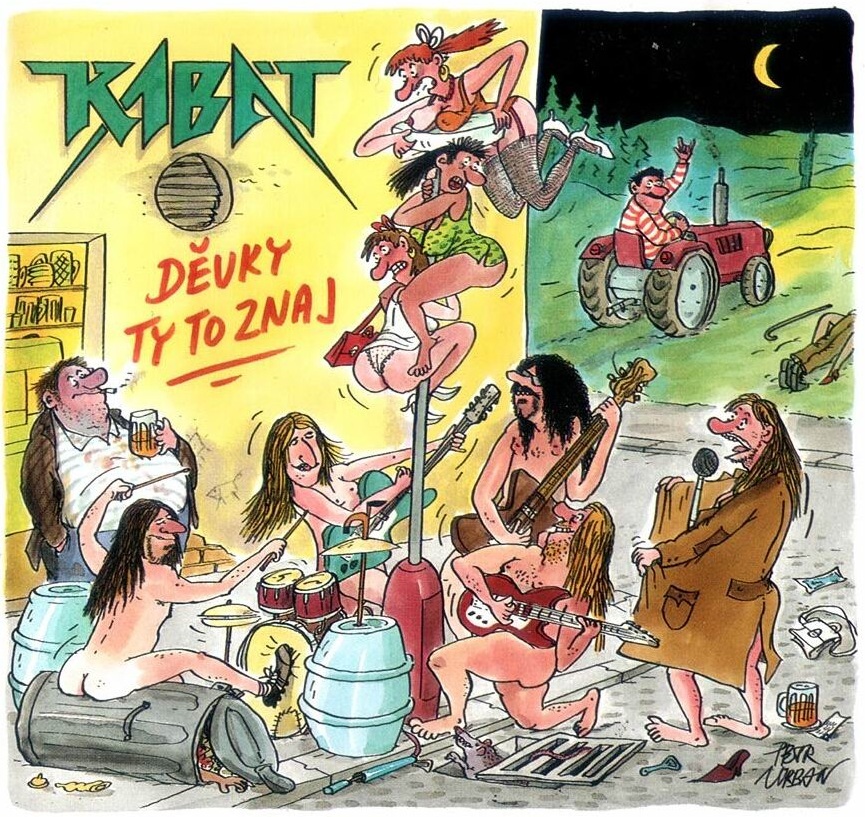
The lyrics paint a vivid picture of two self-righteous individuals, a "lady in black" and a "decent gentleman," utterly appalled by the perceived debauchery of others. They condemn singing about drinking, sex, and drugs, with the gentleman even suggesting they should be driven away and taught to work. Their outrage is palpable, fueled by a disgust for the "greasy hair" and general appearance of those they deem immoral. This initial scene establishes a stark contrast between the judgmental and the judged, setting up a core tension.
The central conflict arises from the hypocrisy exposed within these moralists. The narrator observes that the "angry gentleman" who preaches against sin secretly indulges himself before bed, while the "lady in black," who was most offended, has a more complex and perhaps equally transgressive private life involving multiple partners. This revelation flips the script, suggesting the accusers are not as pure as they claim to be, and that their public condemnation masks private indulgence.
The repeated refrain, "Straň se nás jen sex a chlast / A zbytečný maléry zůstaň tam, nechoď sem k nám" (Stay away from us, just sex and booze / And unnecessary troubles, stay there, don't come here to us), acts as both a taunt and a shield. Initially, it seems to reinforce the moralists' desire for separation. However, as the hypocrisy is revealed, it morphs into an ironic invitation, a challenge to the moralists to practice what they preach or admit their own complicity. The final lines, "Klidně si mudruj já se du vožrat" (Feel free to philosophize, I'm going to get drunk), directly confront the moralists, embracing the very behaviors they condemn and highlighting the narrator's rejection of their judgment.
What makes these lyrics so effective is their sharp, unflinching gaze at hypocrisy. The narrator doesn't just point out the moralists' flaws; they dissect them with a keen eye for detail, revealing the hidden desires and actions that contradict their public pronouncements. The song's power lies in this dismantling of self-righteousness, suggesting that true purity is rare and that judgment is often a projection of one's own unacknowledged faults. The final message is a call for self-reflection: "Každej ať se radši nejdřív koukne na sebe" (Everyone should rather look at themselves first).
 View Artist