Song Meaning
The lyrics paint a picture of an unsettling, almost supernatural presence, introduced with a striking image of lightfooted movement, "like Uma Thurman." This initial lightness is immediately juxtaposed with a sense of unease, questioning if the cause is "me, music, or datura." The entity described is restless, unable to stand still, moving only "while they play." Its physical form seems disconnected, with the "body flown, head asleep," performing mundane actions like washing and painting, all while keeping its true nature hidden.
The narrator then introduces a more sinister element, describing a "bat head, sulfur, plus lye" and a figure "walking around, mapping your desires." This suggests a manipulative entity that preys on vulnerabilities. The being is presented as neither good nor evil, a neutrality that makes it more unnerving, with a warning not to "look him in the eyes." Its arrival and departure are abrupt, a polite "tips his hat, says hello," followed by the chilling declaration, "It's over, how he introduces himself."
The core of the song is the self-introduction of "Don Pedro von Poltergeist," who explicitly states his intention: "You won't sleep at night and I like that." This entity is depicted as a tempter, a "horned uncle" who knows your preferences and "gets into your head, promising mountains and valleys." The narrator admits this presence has visited their own home, leaving them "a little bathed in it," suggesting a lingering, perhaps addictive, influence. The repeated refrain emphasizes the inescapable nature of this psychological haunting, where "these things have no ceiling."
The effectiveness of these lyrics lies in their unsettling blend of the mundane and the supernatural, the playful and the menacing. The contrast between the graceful movement "like Uma Thurman" and the demonic imagery, or the polite greeting followed by a declaration of doom, creates a disorienting effect. The narrator's personal experience, "He stood at my home too," grounds the abstract horror in a relatable, albeit disturbing, personal encounter. The final lines, "You'll understand one day, there's nothing to stand for," offer a bleak resolution, suggesting that the allure of Don Pedro's promises ultimately leads to emptiness.
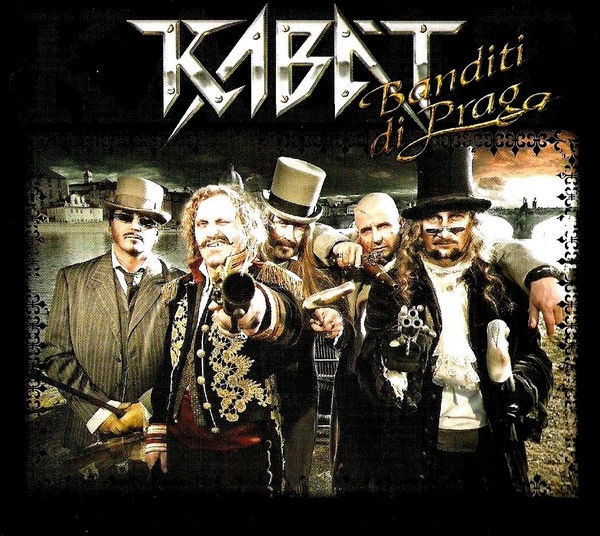
 View Artist