Song Meaning
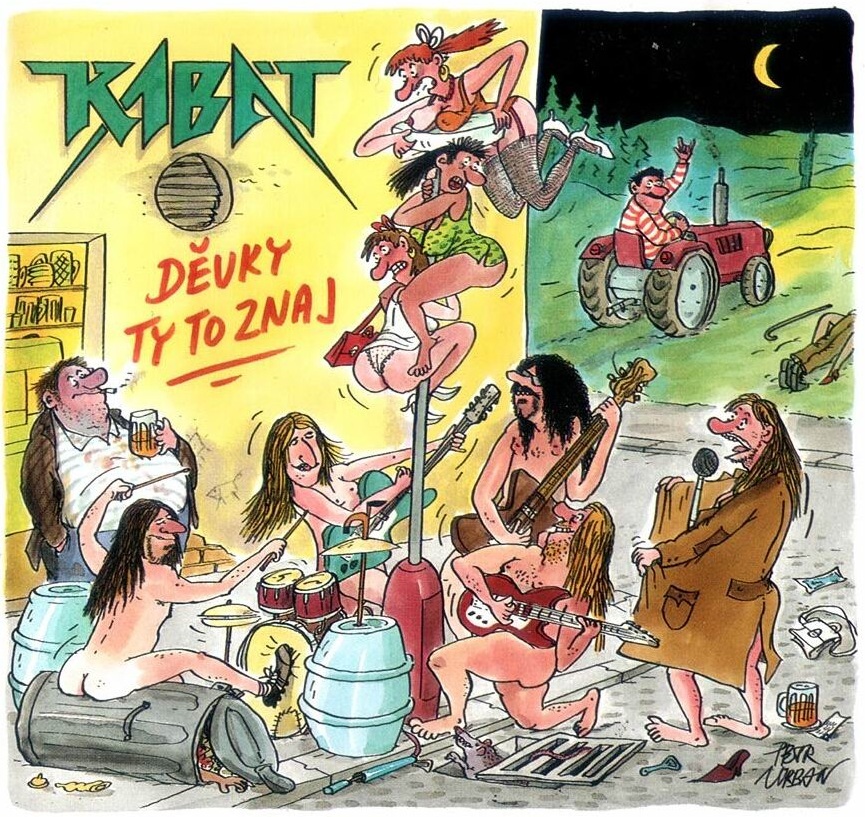
The lyrics paint a stark, almost nihilistic picture of a transactional encounter and a defiant farewell to life. The narrator invites a sex worker into a "shabby bed," framing the interaction as a payment made "in church," a jarring juxtaposition that immediately sets a cynical tone. The phrase "she gave and I took" highlights the mutual, perhaps unfeeling, exchange, which is then soured by the addition of "a few diseases" meant to ensure remembrance. This initial scene establishes a world where intimacy is commodified and potentially dangerous.
The core tension lies in the narrator's utter disdain for conventional morality and the afterlife, coupled with a grim acceptance of his own demise. The repeated refrain, "Prostitutes, they know, they barely give / When pockets are empty," suggests a cynical understanding of transactional relationships, implying that genuine connection or generosity is absent. This observation is then mirrored in the narrator's own life, where even his final moments are framed by a transaction and a lack of genuine connection.
The most striking craft element is the narrator's defiant rejection of heaven, explicitly stating, "Thanks, I don't want to eternally lick holy asses." This visceral, vulgar imagery underscores his complete repudiation of religious salvation and any notion of a benevolent afterlife. It's a raw, unvarnished expression of his worldview, where even the promise of paradise is undesirable. The imagery of "rats will come to the funeral to eat me before dawn" further solidifies this bleak, earthbound perspective, suggesting his end is as unceremonious and base as his life.
These lyrics hit hard because of their unflinching honesty and the complete absence of sentimentality. The narrator's final act is to "have the last bottle," embracing oblivion rather than seeking redemption or comfort. The repeated, almost taunting, assertion that "prostitutes know" serves as a dark, knowing wink, suggesting a shared understanding of a harsh reality that the narrator fully inhabits. It's a potent, albeit bleak, statement on existence, devoid of hope but rich in a kind of defiant self-awareness.
 View Artist