Song Meaning
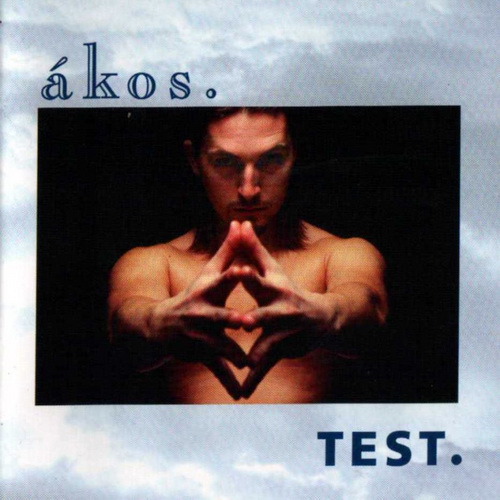
k-os's "Test" plunges into the fraught, often terrifying, relationship between mind and body—a conflict as old as consciousness itself. The Hungarian lyrics, stark and repetitive, paint a picture of internal struggle. The spirit (lelked) seeks refuge when the body (tested) causes fear, suggesting a yearning for transcendence, a flight from physical pain and earthly desires. Yet, the pull of the corporeal is undeniable. The recurring line, "De nem adnád oda semmiért / Az érzést / Mikor a test a testhez ér" ("But you wouldn't give it away for anything / The feeling / When body touches body"), highlights the magnetic, almost addictive nature of physical sensation. It acknowledges the primal draw, the pleasure that binds us to our physical forms, even as they betray us with pain and mortality.
The song meaning intensifies with the acknowledgement of inner turmoil. "Benned is minden éjjel / Háború dúl" ("Inside you every night / A war rages") suggests a constant battle between the spiritual and the physical. The body, described as an oppressive force ("Lelkeden a tested az úr" - "Your body is the master of your soul"), tempts and torments. The lyrics hint at the body's power to both entice and terrify. The question, "Talán túl vörös a vér?" ("Perhaps the blood is too red?"), evokes a visceral disgust, a confrontation with the raw, animalistic nature of our physical existence.
Ultimately, "Test" captures the human condition as a perpetual negotiation between the sacred and the profane. The "halálos béke" ("deadly peace") and the silence that "gyilkol" ("kills") point to the unease that arises when the body's desires are suppressed or ignored. k-os doesn't offer easy answers, but instead exposes the raw, uncomfortable truth: we are both spirit and flesh, forever wrestling with the inherent contradictions of our being. The cyclical structure, the repetition of phrases, mirrors the relentless, ongoing nature of this internal conflict.
 View Artist