Song Meaning
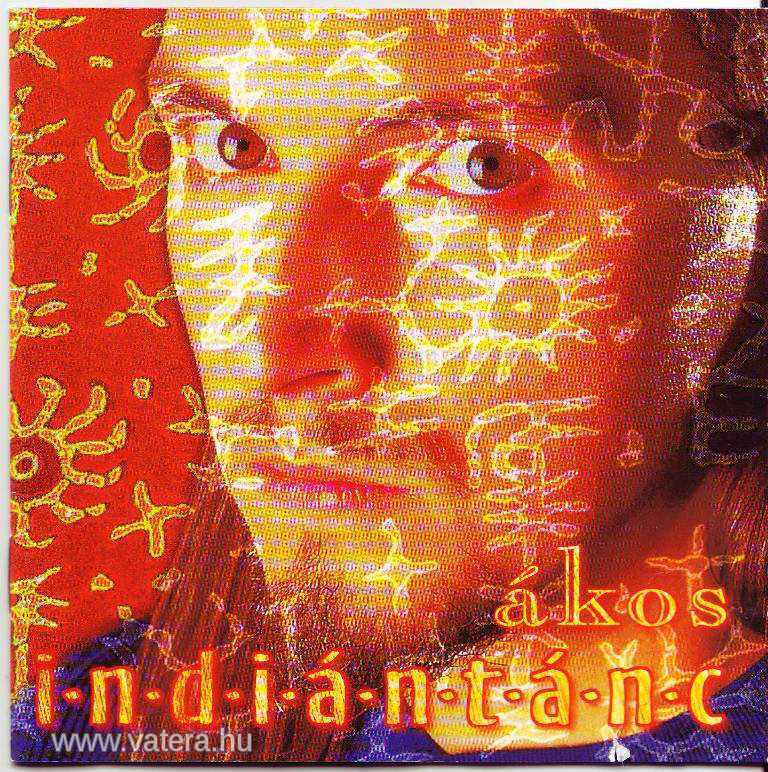
k-os’s “Örvény” (Hungarian for “whirlpool”) plunges headfirst into the turbulent waters of memory and loss, a sonic tempest mirroring the singer's internal state. Though the specific narrative remains shrouded, the lyrics paint a vivid picture of a relationship fractured, leaving behind a haunting echo. The sea, a recurring motif, acts as both a destructive force (“A tenger elmossa tegnapom” - The sea washes away my yesterday) and a conduit to the past, its ceaseless roar a constant reminder of what's been lost. The recurring line, “Rlad kne szljon minden zaj” (Everything should be about you) underscores the all-consuming nature of grief, where every sensory input becomes a painful reminder of the absent loved one.
The song's emotional core resides in the tension between external chaos and internal preservation. The storm rages (“A tenger tombol, de te bennem alszol” - The sea is raging, but you are sleeping inside me), yet the singer seeks to safeguard the memory of the beloved, shielding them from the ravages of time and circumstance. This act of internal preservation is both an act of love and a form of self-imposed imprisonment. The lyrics suggest a deep trust and faith in the departed (“Hinni tudtam neked, ahogy senki msnak mg” - I could believe in you as I could believe in no one else), hinting at a bond that transcends physical presence. The recurring fantasy of seeing the loved one’s face (“Csak elkpzelem az arcod / S jra bennem lsz...” - I just imagine your face / And you live in me again...) reveals a desperate yearning to resurrect the past, even if only within the confines of the mind.
Ultimately, “Örvény” explores the complex interplay between memory, grief, and acceptance. The line “Itt a vg vagy messze mg?” (Is this the end or is it still far away?) encapsulates the uncertainty that pervades the grieving process. While the sea threatens to obliterate the past, the singer clings to the enduring presence of the loved one within their heart (“Most bennem lsz s ittmaradsz velem...” - Now you live in me and you'll stay here with me...). The 'whirlpool' becomes a metaphor for the cyclical nature of grief, a constant pull between longing and resignation. The song does not offer easy answers or resolutions, but rather provides a raw and honest glimpse into the enduring power of love and loss, a testament to the indelible mark that another person can leave on our souls.
 View Artist