Song Meaning
k-os's "Ki helyett szeretsz?" functions as a bittersweet postcard from the precipice of adulthood, soaked in the melancholic hues of memory and the faint glimmer of hope. The song's core revolves around the inevitable dispersal of youthful camaraderie, that tight-knit group of friends ("the good friends") who once seemed inseparable. This scattering isn't portrayed as a dramatic betrayal, but rather as a natural consequence of time and circumstance, a poignant understanding that "the old friends are gone, and they'll never come back." The track isn't wallowing in despair, it's acknowledging the profound shift that occurs when youthful bonds loosen and individual paths diverge. This sense of loss is amplified by the parallel narrative concerning a girl, someone who patiently waited to be loved, and ultimately found that connection with the song's protagonist. This relationship, however, seems to be strained, hinted at by the lines suggesting she's "a little angry" but still "waiting."
The song's emotional weight rests on the tension between past and present, loss and potential reconciliation. The repeated lines about the departed friends serve as a constant reminder of what has been lost, while the plea to "go find the girl" injects a sense of urgency and possibility. The lyrics suggest that this relationship, despite its imperfections, holds a deeper significance, a genuine connection worth fighting for. The advice to avoid "playacting" and "costumes" implies a need for authenticity and vulnerability, a call to shed pretenses and embrace genuine emotion.
Ultimately, "Ki helyett szeretsz?" explores the complex interplay of memory, regret, and the enduring power of human connection. It's a song about navigating the transitions of life, acknowledging the pain of lost friendships, and recognizing the importance of cherishing and nurturing the relationships that remain. The question posed by the title – "Who do you love instead?" – hangs in the air, unanswered but pregnant with meaning. It's a challenge to confront the choices we make, the people we prioritize, and the lasting impact of those decisions on our lives and the lives of those around us.
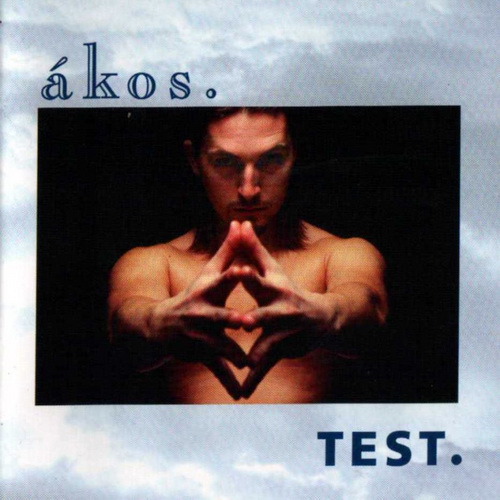
 View Artist