Song Meaning
The lyrics paint a stark picture of sensory deprivation, where the narrator claims to see and hear nothing when they 'only want to.' This self-imposed blindness and deafness suggests a deliberate withdrawal from the world, perhaps a coping mechanism or a state of deep emotional numbness. The intensity of this detachment is immediately contrasted by the overwhelming power of another person's presence.
The central tension arises from this dichotomy: the narrator's ability to shut out everything external versus their absolute dependence on specific sensory inputs from one individual. The phrases 'twój zapach' (your scent) and 'twój dotyk' (your touch) are presented as potent, almost addictive forces, described as 'narkotyk' (narcotic). This comparison highlights a dependency that feels both vital and potentially destructive, as the narrator explicitly states 'Nie umiem bez nich żyć' (I can't live without them).
The most striking craft element is the repeated juxtaposition of the narrator's claimed control ('Kiedy tylko chcę' - When I only want to) with their utter lack of control over their reactions to the other person. The shift from 'nic' (nothing) to the overwhelming sensory details of scent, touch, breath, and smile is abrupt and absolute. The imagery of these elements being 'jak powietrze' (like air) further emphasizes this life-sustaining, yet equally inescapable, connection.
What makes these lyrics hit so hard is the raw portrayal of dependency disguised as self-control. The narrator initially projects an image of agency, only to reveal a profound vulnerability. The simple, declarative statements about not being able to live without these sensory anchors create a powerful emotional resonance, capturing a feeling of being utterly consumed by another person's essence.
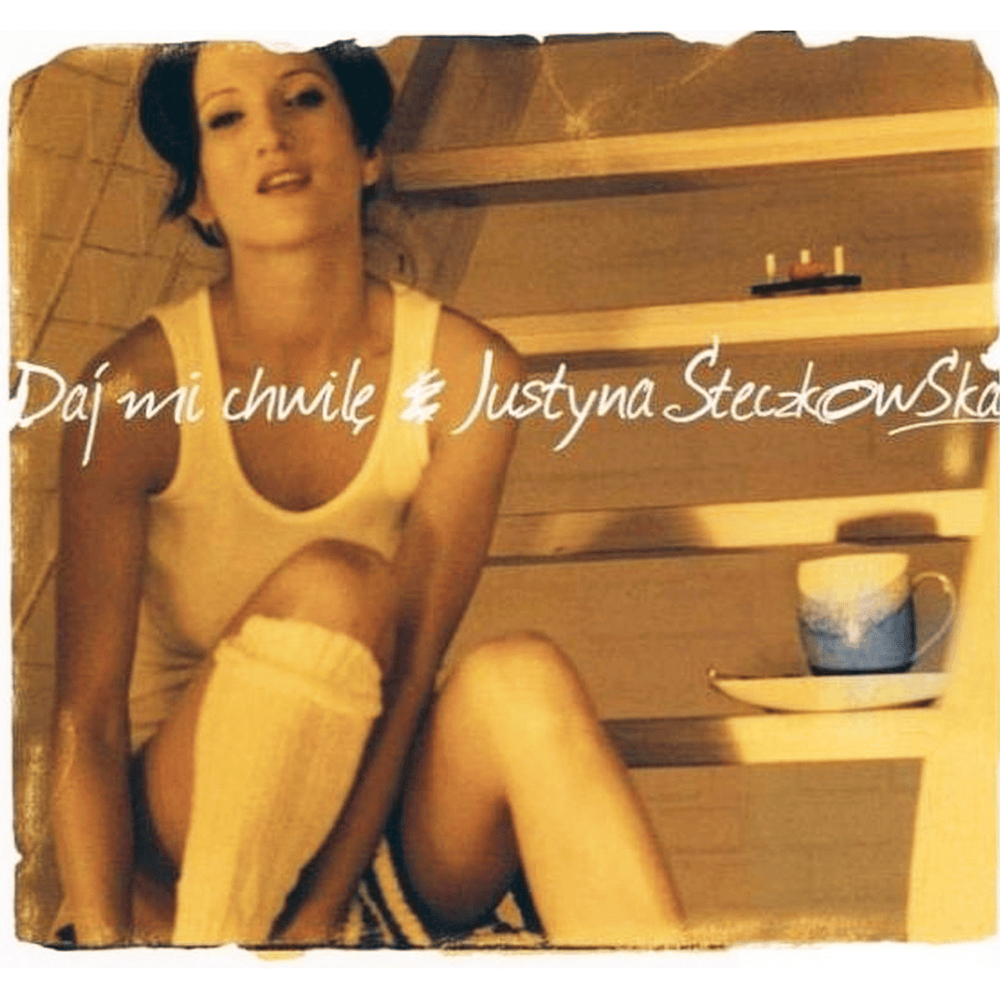
 View Artist