Song Meaning
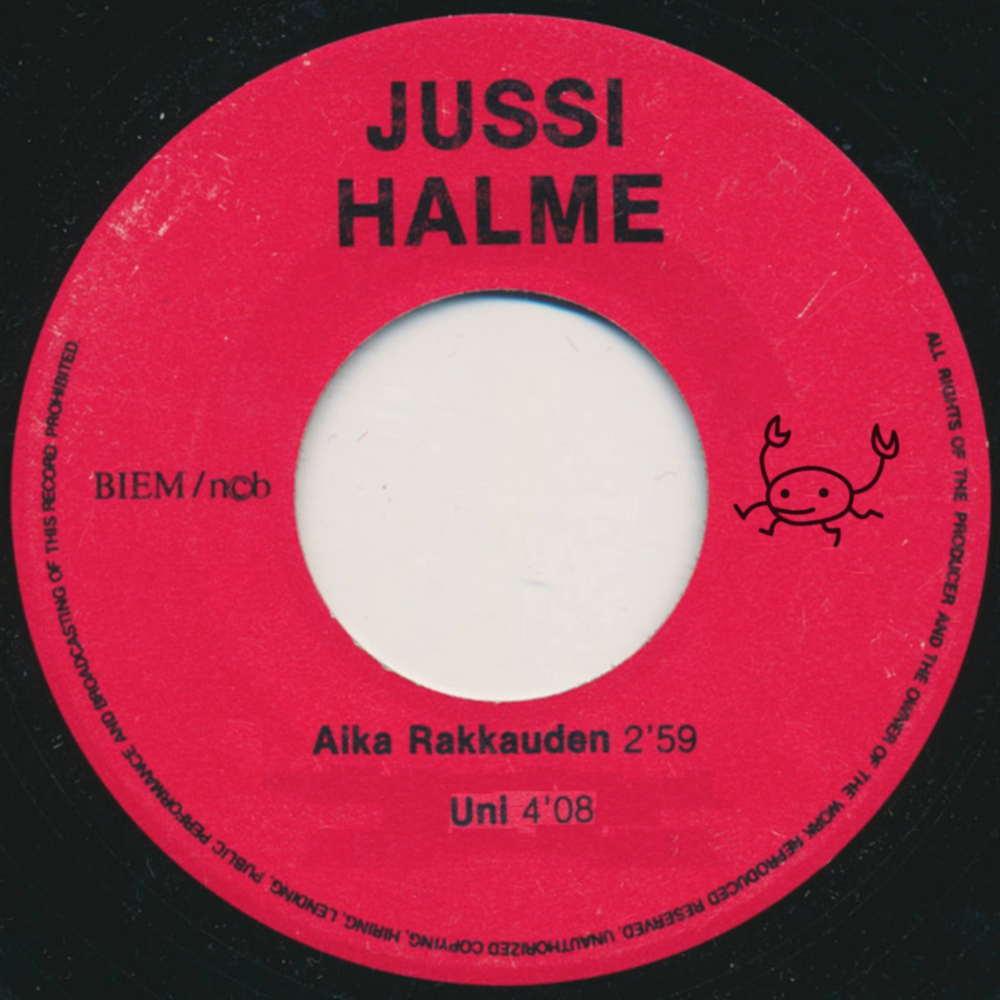
The lyrics paint a picture of a quiet, reflective moment, underscored by the persistent sound of rain against a window. This sensory detail immediately grounds the listener in a specific, almost melancholic atmosphere, yet it serves as a catalyst for cherished memories. The narrator recalls a pivotal moment of connection, a shared glance and a gentle touch, which marked the undeniable beginning of their love. This memory is presented as a clear, defining point: "Tiesimme on aika rakkauden" – they knew it was time for love.
The core emotional tension arises from the contrast between the present, rain-swept solitude and the vivid, warm memory of togetherness. The narrator cherishes the past encounter, finding profound contentment in the present affirmation of their partner's affection. The repeated declaration, "Nainen oot mun" (You are my woman), functions as both a statement of possession and a deep expression of gratitude. This isn't just about ownership; it's about recognizing and celebrating the unique bond they share, finding solace and joy in the simple fact of their partner's presence and the love they offer.
The recurring imagery of night turning into white mist creates a dreamlike, ethereal quality, emphasizing the profound and almost otherworldly nature of their connection. The phrase "Vierelläin vain sinä taivas maa" (Beside me only you sky earth) elevates their shared space to encompass everything, suggesting a complete and all-encompassing union. This is further amplified by the narrator's hopeful anticipation for the future, wishing to share another happy moment tomorrow, mirroring the joy of the present and the past. The lyrics suggest a deep appreciation for the present, built on the foundation of a significant past, and looking forward with gentle optimism.
What makes these lyrics resonate is their ability to capture the quiet intimacy of love. The rain, initially a symbol of solitude, transforms into a backdrop for profound remembrance and present joy. The simple, direct language, particularly the repeated, heartfelt affirmations of love and belonging, creates a powerful emotional anchor. The narrator’s gratitude for their partner's tenderness, which
 View Artist