Song Meaning
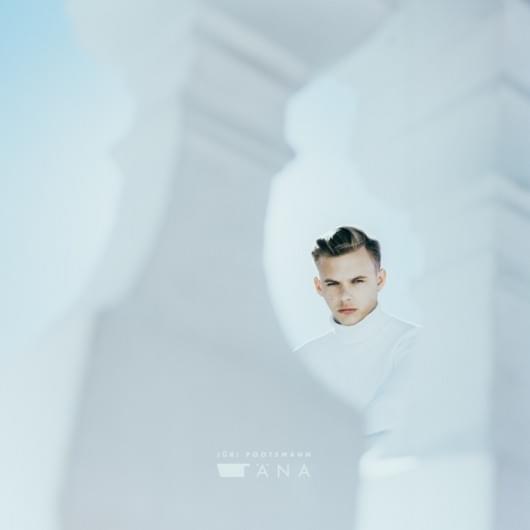
Jüri Pootsmann's "Tuleta" unfurls like a half-remembered dream, a wistful yearning for a simpler, more innocent past. The Estonian lyrics, even without direct translation, evoke a powerful sense of longing. The repeated invocation, "Tuleta, tuleta," which translates to "Remind, remind," acts as both a plea and a mantra, suggesting a fractured present desperately seeking solace in faded memories. The song isn't simply about nostalgia; it's about the psychological weight of forgetting, the fear that precious moments and feelings will slip away entirely. The imagery of "empty rooms and shaded roads" paints a picture of isolation, further emphasizing the need to reconnect with a time "mureta"—without worries.
The contrast between light and dark, present throughout the lyrics ("Mustades ja valgustes" – In blacks and lights), highlights the internal struggle at the heart of "Tuleta". The "setting sun holding the evening's last song" becomes a potent symbol of endings and the passage of time. The sand felt underfoot and the wind carrying days from the heart are sensory details grounding the listener in a specific, yet universally relatable, experience of loss. It's a landscape of the mind, where tangible sensations trigger deep emotional currents. Pootsmann taps into the human tendency to romanticize the past, selectively remembering the "white days" and "big skies" while glossing over the complexities and challenges that inevitably existed.
Ultimately, “Tuleta” is a meditation on memory, not as a perfect record of events, but as a fragile construct shaped by emotion and longing. The song's beauty lies in its ability to capture the bittersweet ache of remembering what was and the quiet desperation of trying to hold onto it. The "evening doubts" and the "sun setting for evenings" suggest a cyclical nature to this process of remembering and forgetting, a constant dance between the present and the past. The final lines, poignant questions about the past, serve as an open invitation to the listener to delve into their own memories and consider what they, too, are trying to recall.
 View Artist