Song Meaning
The narrator is searching for an impossible sanctuary, a place "where the wind never blows," as a prerequisite for rekindling a lost love. This idealized, static environment is tied to a promise of renewed affection: "And I'll kiss you again" and "I'll learn to love you again." The repetition of the chorus underscores this desperate, almost ritualistic plea for a perfect setting to undo past damage and recapture a faded connection. It’s a fantasy of control over emotional states, suggesting that external conditions must be perfectly still for internal feelings to be rebuilt.
The lyrics paint a picture of love's transformation from vibrant and all-consuming to a source of profound sorrow. The shift is marked by a stark contrast: "When I met you / You were the only song I'd ever want to sing," but later, "All the magic / It was so suddenly a different shade of blue." This descent into tragedy is framed as an inevitable narrative, with "These are chapters in the saddest story." The narrator’s past worries were deeply buried, but the memory of the lost love is now the only tangible possession, highlighting the devastating impact of this broken connection.
The most striking aspect is the narrator's paradoxical framing of intimacy and pain. The desire to "learn to love you again" is contingent on finding a place where external forces, like the wind, are absent. Yet, the lyrics reveal that it was in missing the person, "the only time I felt a part of me / That was living its life that's meant to be." This suggests that the intensity of the relationship, even its painful absences, was more alive than the current state of seeking a placid, windless existence. The "side of the road" under a tree, a seemingly simple image, becomes a loaded symbol for a love that was perhaps too exposed or vulnerable to the elements of life.
Ultimately, these lyrics resonate because they articulate a universal yearning for a reset button on love, a desire to return to a pristine state before things went wrong. The craft lies in the stark juxtaposition of the impossible ideal (a windless place) with the deeply human need to recapture lost feelings. The repeated conditional promises – "And I'll kiss you again" – are not just about romance, but about a desperate attempt to reclaim a lost sense of self that was tied to that love, even if that self was defined by intense, even painful, experiences.
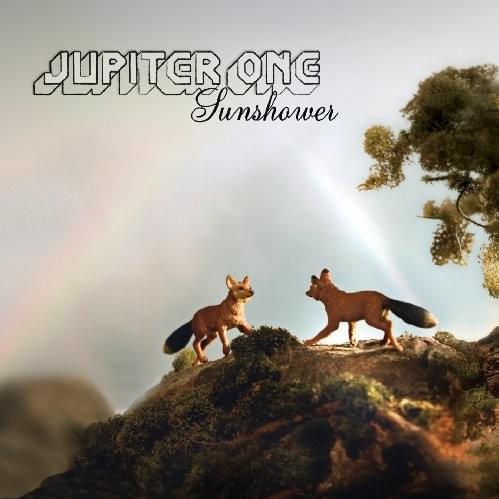
 View Artist