Song Meaning
The lyrics paint a picture of someone stuck in a cycle of passive observation and unfulfilled desire. The opening lines, "呆坐吃早餐 呆坐全日其實太簡單" (Sitting blankly eating breakfast, sitting blankly all day is actually too simple), immediately establish a tone of inertia and boredom. The narrator seems to be a spectator in their own life, "他只懂發悶 單戀被單" (He only knows how to be bored, a one-sided love being one-sided), suggesting a lack of agency and a tendency towards unrequited or unexpressed feelings. There's a clear preference for the imagined future over present action: "只想要結果 不想探討經過" (Only want the result, don't want to discuss the process), highlighting a disconnect between aspiration and execution.
The core tension lies in the stark contrast between wanting and doing, articulated through a series of negations and hesitant actions. The chorus repeatedly states desires like "想要 想有" (Want to have) and "想快 想過" (Want to be fast, want to pass), but this is immediately undercut by the reality of inaction: "卻在 卻步" (But hesitate/stop). The phrase "習慣猜想 但卻不敢跌倒" (Accustomed to guessing but afraid to fall) perfectly encapsulates this fear of failure that paralyzes progress. The lyrics suggest a mind overwhelmed with possibilities, "多不勝數 腦袋休息更好" (Countless, the brain rests better), implying that thinking too much without acting is exhausting and unproductive.
Craft-wise, the song masterfully uses repetition and parallel structure to emphasize this internal conflict. The repeated "口講" (talking) versus the implied inaction creates a rhythmic reminder of the gap between words and deeds. The series of "不" (not) in the chorus – "不說 不理, 不過 不要, 不叫不做" (Don't say, don't care, but don't want, don't call, don't do) – builds a sense of passive resistance or perhaps a list of things the narrator *isn't* doing, further highlighting what they *should* be doing. This linguistic pattern underscores the feeling of being stuck, where even the absence of action becomes a defining characteristic.
Ultimately, the effectiveness of these lyrics stems from their relatable portrayal of procrastination and the anxiety of unrealized potential. The narrator's internal monologue, filled with desires yet anchored by a fear of the unknown "跌倒" (fall), resonates deeply. The song doesn't offer easy answers but instead captures the frustrating, self-imposed inertia that many experience, making the listener reflect on their own "口講" versus "做" (talking versus doing) tendencies.
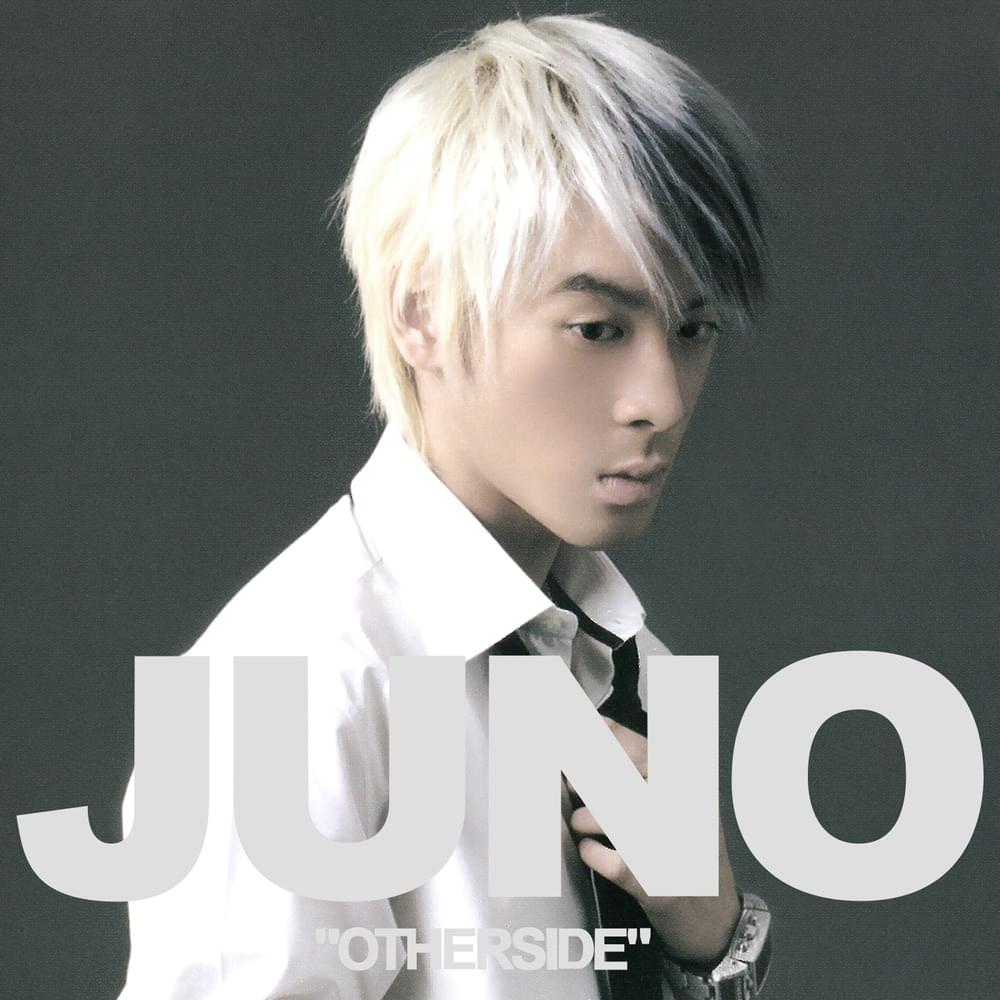
 View Artist