Song Meaning
The lyrics paint a stark picture of a relationship steeped in existential dread and emotional decay. It opens with a morbid party scene that quickly dissolves, leaving a void where genuine feeling should be. The narrator questions what could possibly evoke a tear, suggesting a profound numbness, and then flips it, wondering what could bring such peace that it makes the other person want to cry. This sets a tone of disquiet and emotional disconnect, where even comfort feels like a prelude to sorrow.
The central tension lies in the contrast between a desire for connection and the overwhelming sense of despair. The narrator offers a commitment, even a morbid one – wearing a "grey wedding dress" and planting "grey cherry blossoms" – but this is framed by the question, "Will you still love me in this great city?" The imagery of a "funeral party" and the soul being "cut and eaten" points to a relationship that is already decaying, where love itself feels like a desperate act in a dying world. The recurring question, "Who kneels to kiss a frog?" implies a desperate hope for transformation that seems unlikely to be fulfilled.
A striking element is the stark dichotomy presented: "Complete my paleness, complete your darkness." This suggests a codependent relationship where each person's emotional void is filled by the other's, creating a destructive equilibrium. The assertion that "being born is more terrifying than dying" is a powerful statement of nihilism, amplified by the image of carrying a "crow home" as the future collapses. The narrator's own features are "gradually turning pale" in response to the "darkness in your eyes," illustrating how this shared despair is physically and emotionally consuming them.
Ultimately, the effectiveness of these lyrics stems from their unflinching portrayal of emotional desolation and the unsettling beauty found within it. The stark imagery, like tears turning to sand or the future collapsing, creates a visceral sense of loss. The narrator's passive acceptance, "If you can't fly high, at least sink down," combined with the desperate plea for the other person to continue crying, highlights a profound, shared brokenness. It's this raw, almost bleak honesty about the difficulty of love in a seemingly hopeless existence that makes the song resonate.
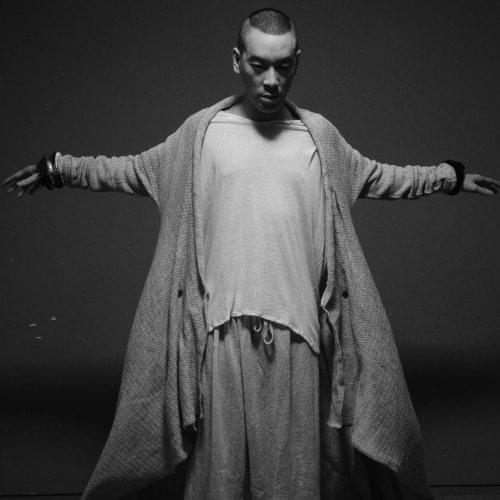
 View Artist