Song Meaning
The lyrics paint a picture of enduring existence despite hardship, framing life as a cycle of breathing and living. The narrator's "curved eyebrows" are tied to past difficulties, yet remain "delicate," suggesting a resilience that anticipates the world's constant rhythm of "breathing in, breathing out." This duality is echoed in the contrast between "curved wonders" and "square fields," where dark things are planted, implying that even amidst shadows, life persists and demands continuation, as if urging, "Don't die."
The core tension lies in the acceptance of one's own perceived abnormality, the "畸" (abnormal). The narrator asserts that whether they are "abnormal," there is still a song for "you." This is reinforced by the idea that even divine figures like God and Buddha might weep or smile indifferently, suggesting that life's continuation is a fundamental force, driven by "curiosity" and a mix of the "unpredictable" and the "ordinary."
A striking craft element is the repeated invocation of religious figures – God and Buddha – not as sources of judgment or salvation, but as witnesses to the relentless act of living. Their reactions, weeping or smiling without needing mercy, underscore the idea that life goes on regardless of divine sentiment. The lyrics also play with contrasting imagery, from the "curved" and "square" to the "pure" and "arrogant," and finally to a series of vivid, almost primal descriptors like "poisonous snake," "broken bridge," and "hungry wolf," all culminating in the acceptance of being "abnormal."
Ultimately, the effectiveness of these lyrics stems from their unflinching gaze at existence and imperfection. The narrator's declaration, "Even if abnormal is me, there is a song that is you," offers a profound sense of connection and validation. It suggests that even in one's most peculiar or flawed state, there is a place and a purpose, a song that resonates with another, transforming the "abnormal" into a shared, albeit unique, experience of being.
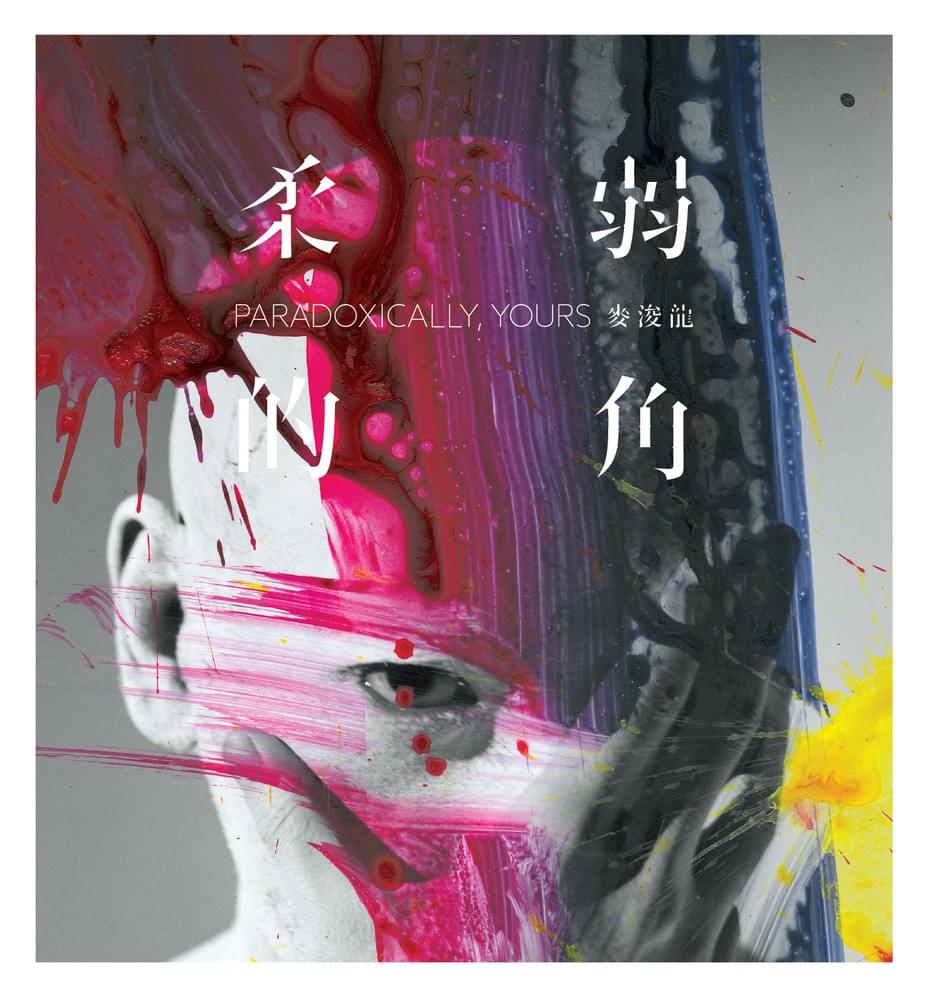
 View Artist