Song Meaning
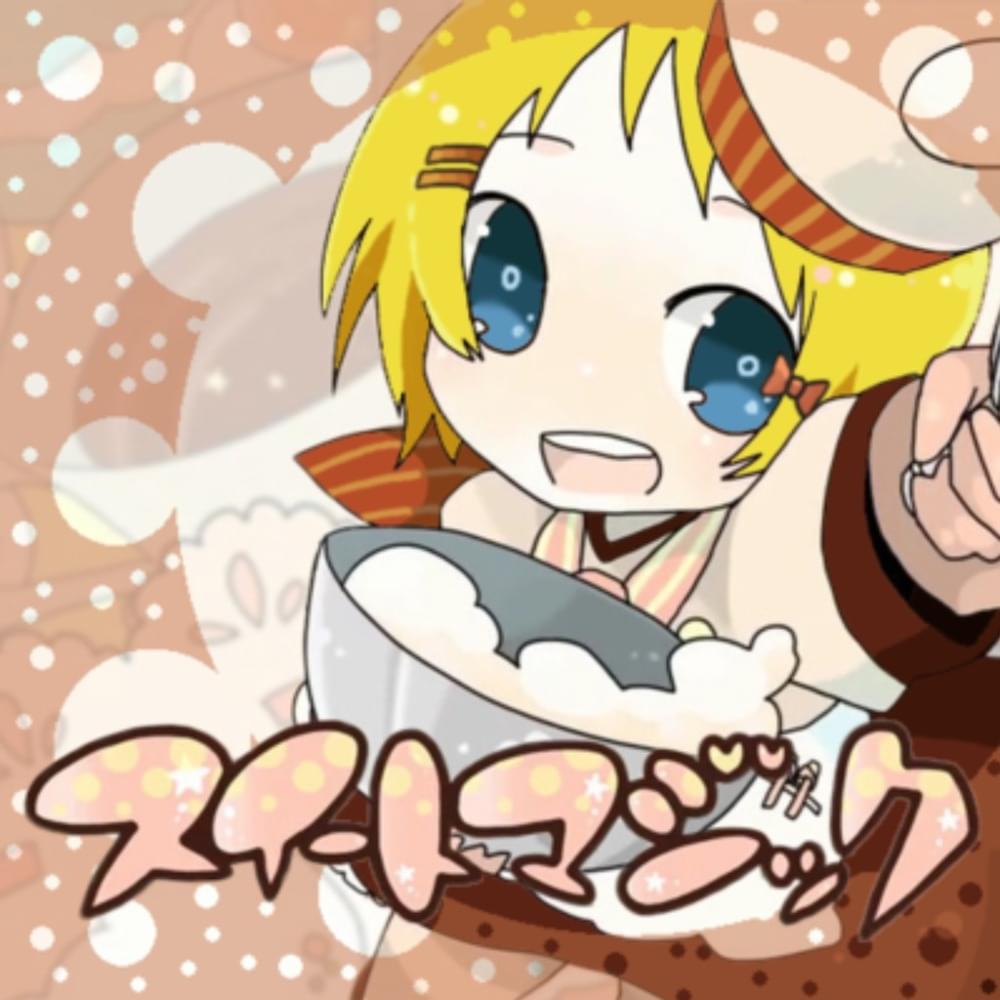
This song paints a picture of someone crafting a perfect, sweet experience, much like baking a dessert. The narrator is meticulously adding ingredients, aiming for a specific kind of sweetness. There's a playful, almost strategic element to this creation, as they consider adding a touch of bitterness or sourness, but ultimately reject the idea of anything less than pure sweetness. The desire is to create something utterly captivating, a "sweet trap" that will enthrall someone.
The core tension lies between the desire for pure, unadulterated sweetness and the acknowledgment that complexity might be necessary. The lyrics question if being "only sweet" means you can't grow up, a notion the narrator vehemently rejects. This creates a fascinating push-and-pull: the insistence on a perfect, sweet facade versus a subtle hint that perhaps other flavors are needed for true maturity or depth.
The most striking craft element is the extended metaphor of desserts. "Mille-feuille" with "sadness," "tart" with "sourness," and "chocolate cake" with "bitterness" all build this layered image. The repeated phrase "甘い魔法" (sweet magic) acts as a refrain, emphasizing the enchanting, almost artificial quality of the experience being constructed. The shift to "sweet trap" and the playful "Sweetie, Sweetie, Sweetie, Magical!" injects a more direct, teasing energy.
Ultimately, the effectiveness comes from this blend of meticulous construction and playful manipulation. The narrator wants to present a perfect, sweet self, a "sweet magic" that is irresistible. Yet, the final lines reveal a hint of stubbornness, a refusal to show the less sweet parts, suggesting that this perfect creation is a deliberate, almost defiant act of self-presentation.