Song Meaning
The lyrics paint a stark picture of a figure named "Poor Black Mattie," seemingly caught in a cycle of disarray. The opening lines establish a sense of immediate, almost chaotic, change: Mattie is "changin' clothes," but the reason given is a drunken departure, "drunk out the door." This isn't a planned transformation, but one spurred by intoxication and expulsion.
The narrative then shifts, hinting at past relationships with a line about "once they were dating." The phrase "one good woman did come 'n' go" suggests a transient presence, perhaps Mattie herself or someone significant to her, reinforcing a theme of impermanence and loss. This fleeting connection is juxtaposed with the narrator's own isolation, explicitly stating, "No, not me: I'm alone," while others are heading to the "world fair."
The second verse revisits the initial scene, but with a crucial alteration: "Poor Black Mattie, ain't got change in clothes." This repetition emphasizes a lack of means or opportunity for renewal, unlike the implied possibility in the first verse. The act of throwing clothes "outdoors" becomes more desperate, a forceful expulsion rather than a simple change. The repeated "threw the clothes outdoors" hammers home this image of abandonment and dispossession.
Ultimately, the lyrics evoke a feeling of profound loneliness and a struggle against circumstances that leave Mattie exposed and without recourse. The contrast between the communal movement towards the "world fair" and the narrator's solitary state, coupled with Mattie's repeated, unaddressed plight, creates a poignant sense of isolation and hardship.
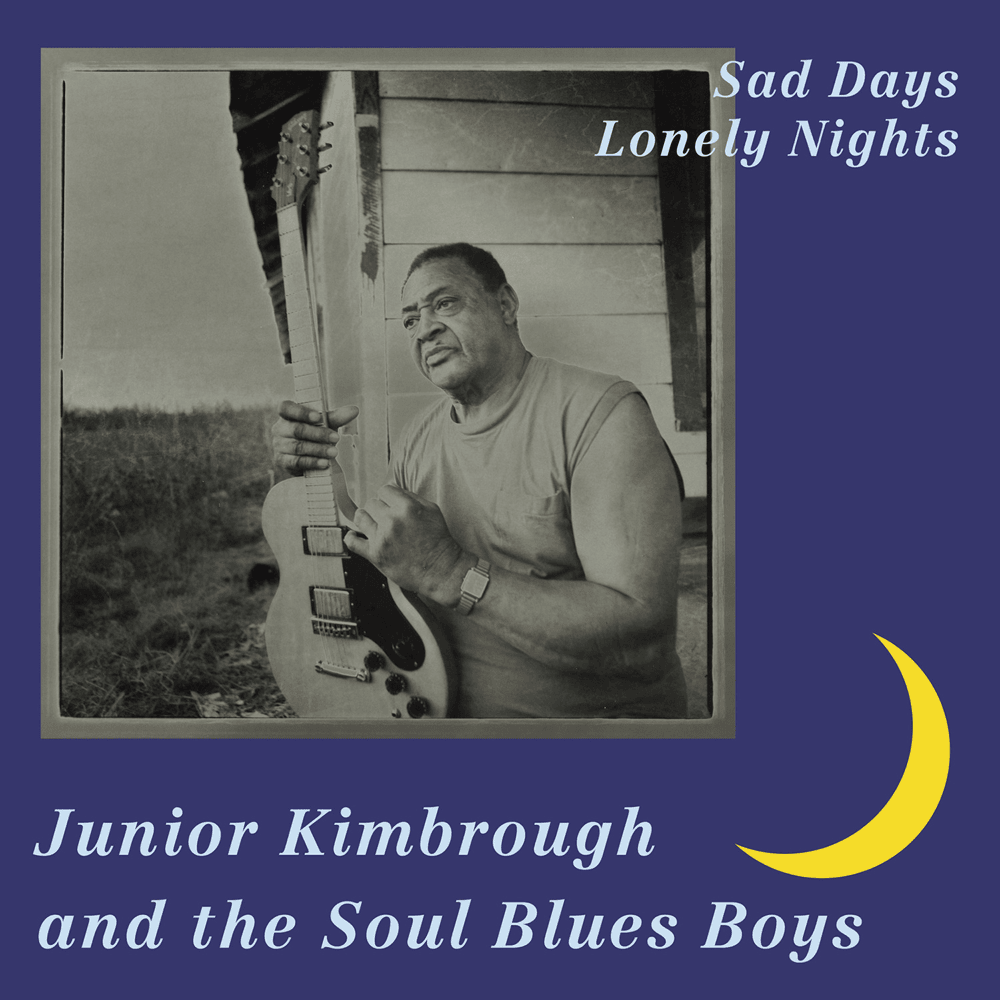
 View Artist