Song Meaning
The narrator clings to memories of a lost loved one, finding solace in photographs and letters that keep the past alive. This fixation on yesterday is presented not as a choice, but as a necessary coping mechanism. The lyrics directly confront the idea that dwelling on the past is unhealthy, asserting that for the narrator, it's the only viable method of survival. This creates an immediate emotional tension between societal norms of moving forward and the individual's desperate need to hold on.
The central conflict lies in the narrator's inability to face the future, a struggle they admit to having tried and failed at. The repetition of "But for me it's the way to survive" hammers home the idea that this is less about romanticizing the past and more about a fundamental need for emotional sustenance. The contrast between "they say" – the external voices of advice – and the narrator's personal truth highlights their isolation in grief. The lyrics suggest a profound fear of what lies ahead without the anchor of what was.
The most striking aspect of the craft here is the persistent, almost incantatory repetition of the core phrase. It functions like a mantra, reinforcing the narrator's conviction and their desperate plea for understanding. The simple, direct language, like "I look at your picture too often" and "read all your letters," grounds the abstract emotion in tangible actions. This directness makes the narrator's internal struggle feel raw and immediate, avoiding flowery language in favor of stark emotional honesty.
Ultimately, these lyrics resonate because they articulate a deeply human, albeit unconventional, response to loss. The effectiveness comes from the raw vulnerability and the stark contrast between the narrator's reality and the expected path forward. It’s the quiet defiance against the pressure to 'get over it' that makes the narrator's plea for their own method of survival so compelling, even if it's a path others might not understand.
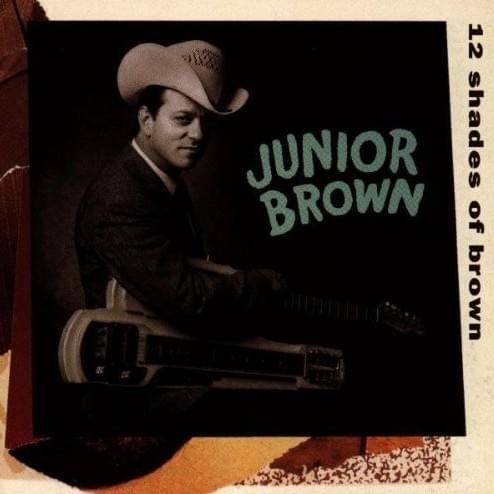
 View Artist