Song Meaning
The lyrics paint a picture of someone stepping out of a self-created mental "wonderland" and confronting a difficult past. The initial lines, "頭の中のワンダーランド" (Wonderland in my head) and "作り出したあらすじ" (A plot I created), suggest an internal world built to avoid reality. The question, "教えて これは 誰のお話" (Tell me, whose story is this?), immediately signals a detachment from their own narrative, a feeling of being lost in a fabricated reality.
The core tension arises from the struggle to face past pain. The narrator admits to "目をそらし続けた" (kept looking away) from "傷口" (wounds), but a turning point arrives when they finally "のぞいたら見えたよ" (looked and saw). This moment of confrontation, though difficult, seems to unlock a sense of possibility, leading to the declaration, "もう だいじょうぶゆけるさ" (It's okay now, I can go).
The passage of time is marked by the insistent "Tick-tock, tick-tock," where memories and a "鎖のような" (like chains) and a "小さな自分" (small self) that couldn't change gradually "泡になってゆく" (turn into bubbles). This imagery effectively conveys the fading grip of past regrets. The act of sending "さようならと キスを送ろう" (goodbye and a kiss) to the "たくさんの思い出" (many memories) that kept their hands full signifies a deliberate act of release and acceptance.
Ultimately, the lyrics articulate a powerful shift from passive observation to active creation. The narrator moves from watching snow outside the window to deciding, "もう おしまい" (no more) just watching. They are ready to "前に進めよう" (move forward), embracing "わたしだけのストーリー" (my own story) and looking towards a future where they can choose their path and discover new harmonies. This journey from a constructed past to an open future is what gives the song its resonant emotional arc.
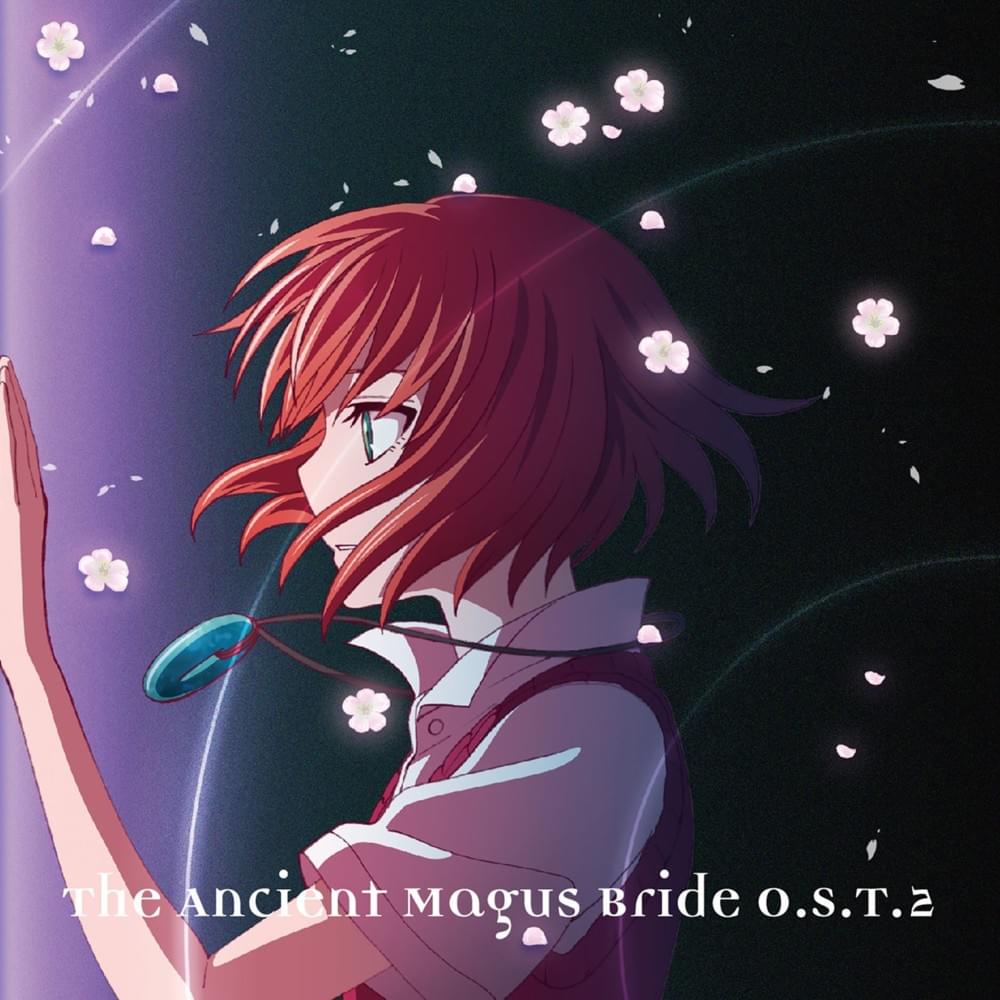
 View Artist