Song Meaning
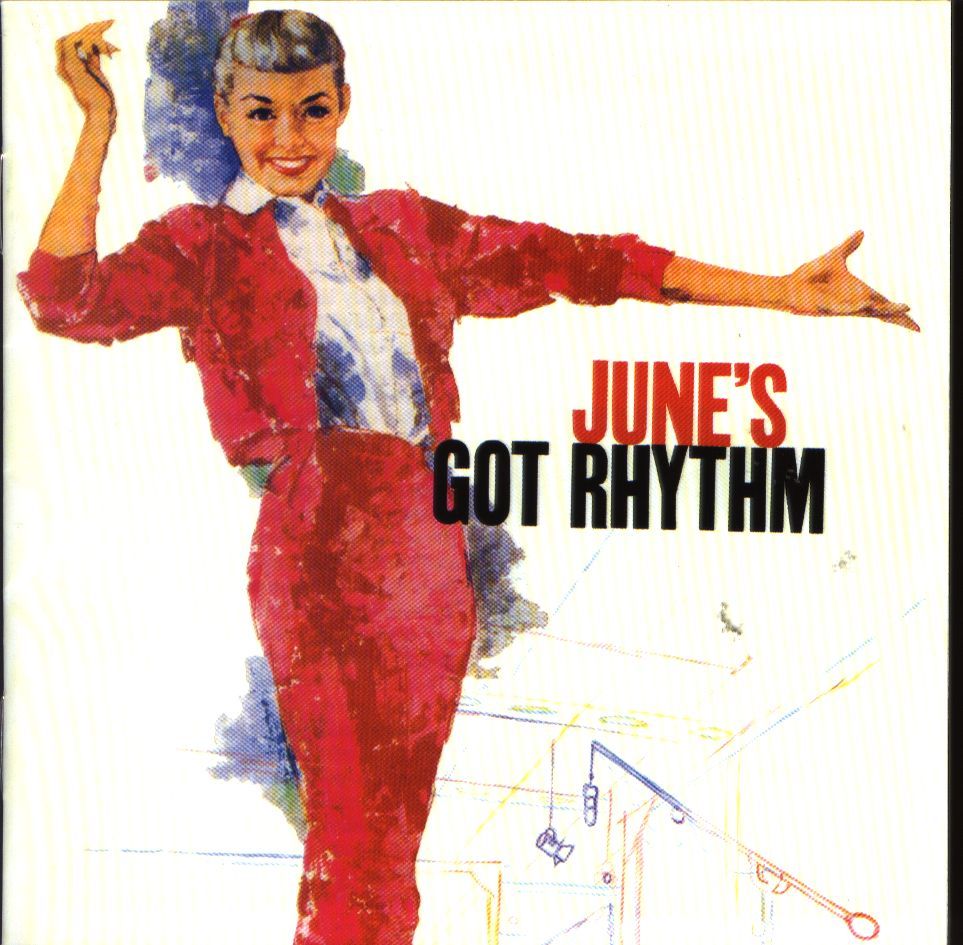
{"song_id": 15876439, "meaning": "June Christy's rendition of \"They Can't Take That Away From Me\" isn't just a song; it's a masterclass in the psychology of memory and attachment. It's a declaration of inner sovereignty in the face of potential external loss. The lyrics don't dwell on grand gestures or sweeping pronouncements of love. Instead, they meticulously catalog the tiny, idiosyncratic details that make a person, *that* person: the tilt of a hat, a slightly off-key singing voice, the peculiar way they hold a knife. These seemingly insignificant traits become the bedrock of an unshakeable emotional bond. It's the understanding that even if circumstances conspire to separate two individuals, the imprint left by those shared moments and personal quirks remains indelible.
The repeated assertion, \"No, no they can't take that away from me,\" acts as a defiant mantra against the ravages of time, distance, or even the end of the relationship itself. It acknowledges the inherent vulnerability of love—\"We may never, never meet again / On the bumpy road to love\"—while simultaneously asserting the enduring power of subjective experience. The 'bumpy road' is a key image, suggesting challenges inherent in the relationship, yet the narrator focuses on the internal emotional landscape, not the external conflicts. What's fascinating is how the song skirts around the nature of the relationship itself. Was it a romance? A deep friendship? A fleeting encounter? The ambiguity amplifies the song's universal appeal.
Ultimately, the song meaning resides in its understanding of how identity is shaped through interaction and how those interactions become internalized. Christy’s delivery, imbued with a subtle blend of wistfulness and resilience, underscores the idea that even in the face of loss, one retains the power to curate their own inner world, populated by the precious, irremovable details of a cherished connection. The song becomes an assertion of psychological ownership, a testament to the fact that some things, once experienced, can never truly be taken away."}
 View Artist