Song Meaning
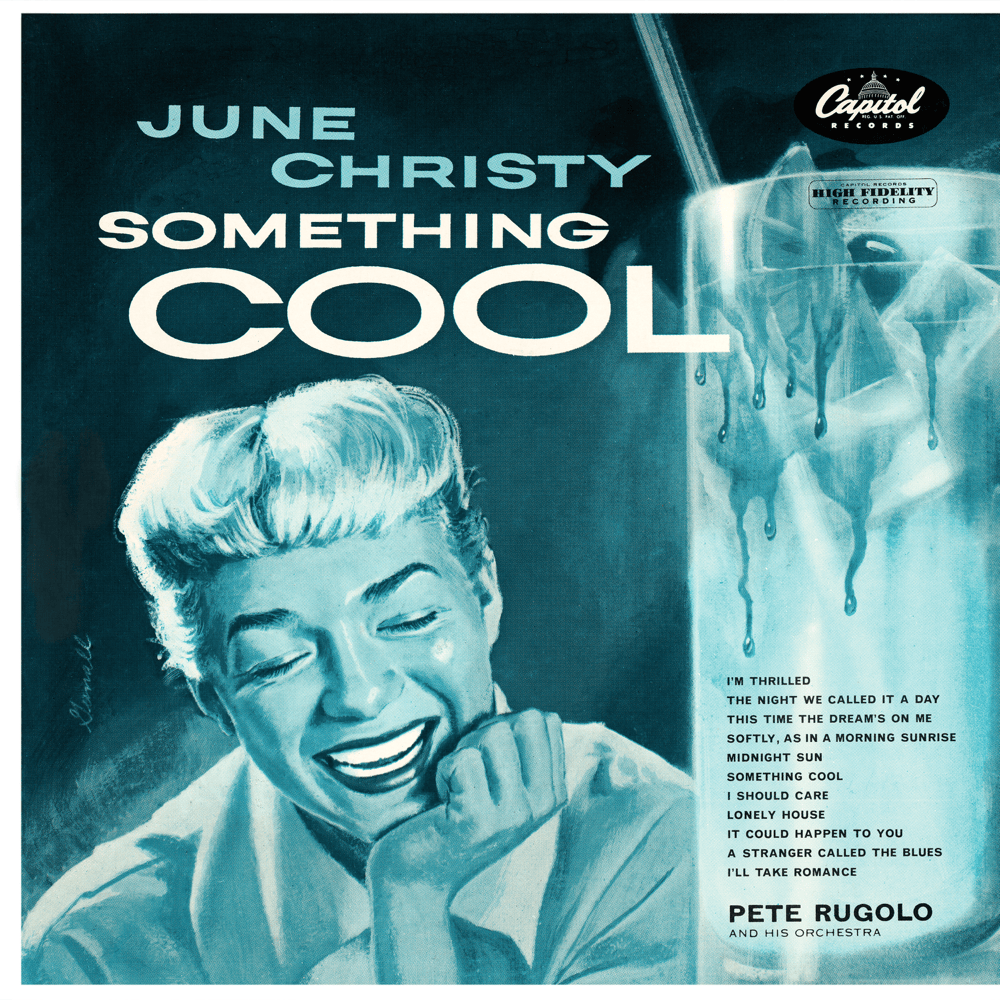
{"song_id": 15876394, "meaning": "June Christy's \"I'll Take Romance\" isn't just a breezy declaration; it's a quietly subversive manifesto of female desire. The song meaning resides in the tension between the era's expectations of women and the yearning for agency within the realm of love. Christy, with her signature cool delivery, imbues the lyrics with a subtle but palpable hunger. The repetition of \"I'll take romance\" becomes less a passive acceptance and more an active seizing of opportunity. It's not about waiting to be chosen, but about choosing to participate fully in the emotional experience. The phrase represents both a yearning and an intention. While societal norms might dictate a more demure approach, Christy's narrator makes a decisive choice.
The lyrics analysis reveals a clever negotiation of power dynamics. The explicit invitation – \"So my lover, when you want me, call me\" – initially appears compliant. However, the swiftness implied by \"I'll rush\" carries a hint of control. She's not just answering a summons; she's eagerly anticipating and embracing the moment. The \"hush of the evening\" adds to the intimacy, but also hints at a clandestine rendezvous, further suggesting a departure from conventional courtship. There's a deliberate embrace of vulnerability (\"I'll give my heart away\"), yet it's framed within the context of her actively pursuing romance, not merely surrendering to it.
Ultimately, \"I'll Take Romance\" functions as both a personal declaration and a subtle challenge to the romantic status quo. The repetition of the title phrase underscores the agency being claimed, ending in the final line “I’ll take my own romance,” a complete takeover of the concept. June Christy doesn't just sing about romance; she claims ownership of the experience, making it a conscious and empowered choice. The song's enduring appeal lies in its ability to capture the universal desire for connection while simultaneously hinting at the quiet revolution brewing beneath the surface of mid-century domesticity."}
 View Artist