Song Meaning
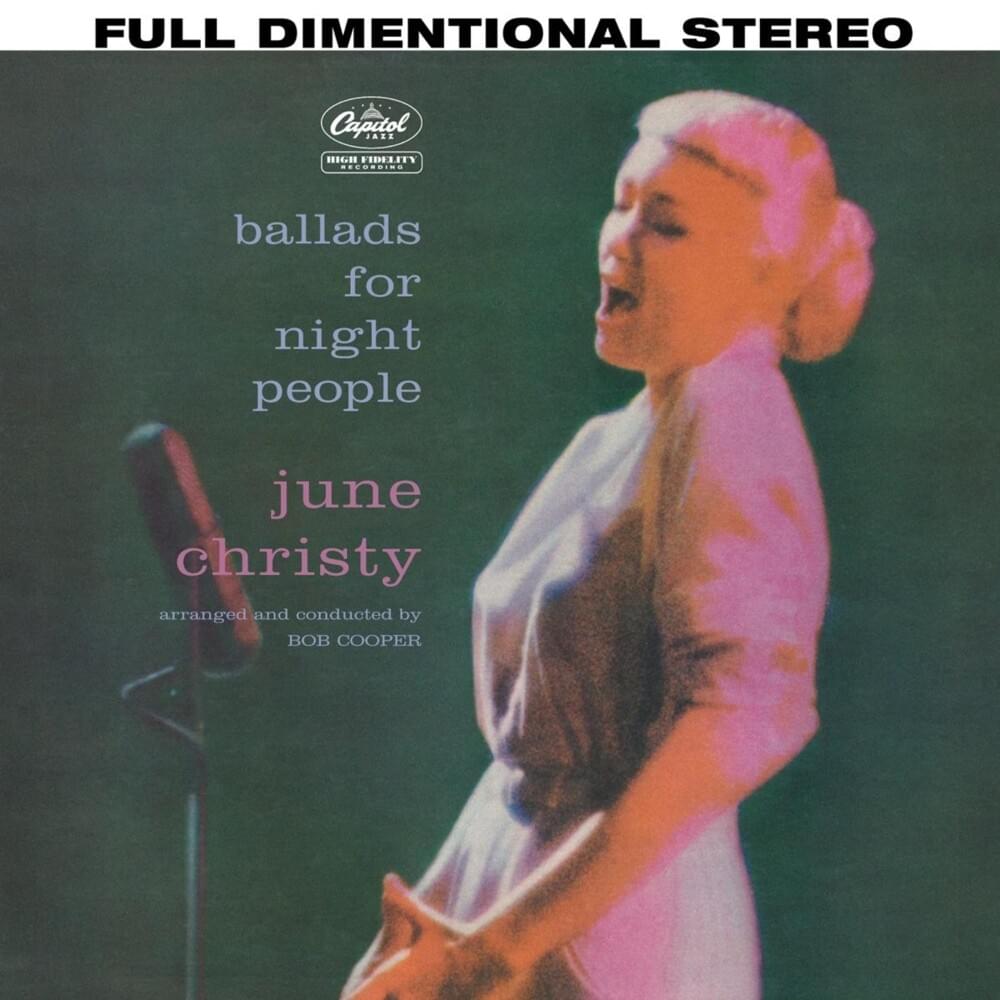
June Christy's "I Had a Little Sorrow" isn't just a torch song; it's a masterclass in psychological evasion, wrapped in the velvet of mid-century vocal jazz. The lyrics sketch a scene of self-imposed isolation – a "room all damp with gloom" meant to incubate remorse. Initially, the singer attempts to cultivate a sense of guilt, commanding her "little sorrow" to weep and her "little sin" to beg for divine forgiveness. She plans to wallow, to lie upon the floor and dwell on her wickedness. But the human psyche, as Christy so deftly portrays, rarely cooperates with such theatrical self-flagellation. The initial attempt at manufactured sorrow sputters and dies. The darkness, rather than inspiring introspection, becomes merely a backdrop.
The pivotal shift occurs with the lines, "Alas for pious planning / It mattered not a whit." The gloom fails to elicit the desired response; the sorrow refuses to weep, and the sin nonchalantly drifts off to sleep. This failure of planned penitence is the song's core. The singer's "graceless mind" simply refuses to stay focused on its supposed transgressions. Instead of a descent into despair, there's a flippant, almost defiant turn. She abandons the performance of sorrow, reaching for a book and adorning herself to attract attention. The act of putting "a ribbon in my hair / To please a passing lad" is a conscious rejection of the somber mood she initially tried to create.
Ultimately, "I Had a Little Sorrow" culminates in a paradoxical acceptance. The singer acknowledges her wickedness, admitting, "I've been a wicked girl, said I." But this confession is immediately followed by a crucial question: "But if I can't be sorry, why / I might as well be glad." It's a pragmatic, almost cynical embrace of pleasure over pain, a recognition that manufactured remorse is ultimately less authentic than genuine, if slightly amoral, happiness. The song meaning resides in this tension between societal expectations of contrition and the individual's stubborn pursuit of joy, even if that joy is rooted in a "little sin." Christy doesn't offer absolution, but rather a sophisticated understanding of the human tendency to choose light over darkness, even when we know we probably shouldn't.
 View Artist