Song Meaning
June Christy's rendition of "Between The Devil And The Deep Blue Sea" is a masterclass in articulating romantic purgatory. The song's core meaning resides in that agonizing space between desire and self-preservation, where the heart wages war against better judgment. It's a space familiar to anyone who's ever been ensnared by a love that's simultaneously intoxicating and destructive. Christy doesn't just sing the lyrics; she embodies the emotional tightrope walk of a person hopelessly conflicted. The repeated line, "You got me in between the devil and the deep blue sea," isn't merely a colorful metaphor; it's a visceral depiction of being trapped, of facing equally undesirable outcomes. Is it better to endure the torment of this relationship, or face the desolate loneliness of its absence? The song smartly avoids providing any easy answers.
The genius of the lyrics lies in their stark honesty. "I don't want you, but I hate to lose you" is a sentiment that cuts straight to the bone, exposing the raw nerve of dependency that often underlies unhealthy attachments. The narrator readily admits to forgiving transgressions, not out of magnanimity, but out of a desperate inability to erase the other person from her memory. This isn't a tale of noble sacrifice; it's a confession of weakness, of being utterly, irrevocably hooked. The phrase, 'Fate seems to give my heart a twist / And I come running back for more,' hints that the relationship issues are not circumstantial, but almost pre-determined.
Christy's interpretation elevates the song beyond a simple lament. There's a knowingness in her voice, a subtle acknowledgment of the narrator's own complicity in her predicament. She's not just a victim; she's a participant in this dance of self-destruction. That's what makes "Between The Devil And The Deep Blue Sea" such a compelling exploration of the darker corners of love. It's a song about addiction, about the magnetic pull of the familiar, even when that familiarity breeds pain. It's about the terrifying realization that sometimes, the devil you know is, inexplicably, the devil you choose.
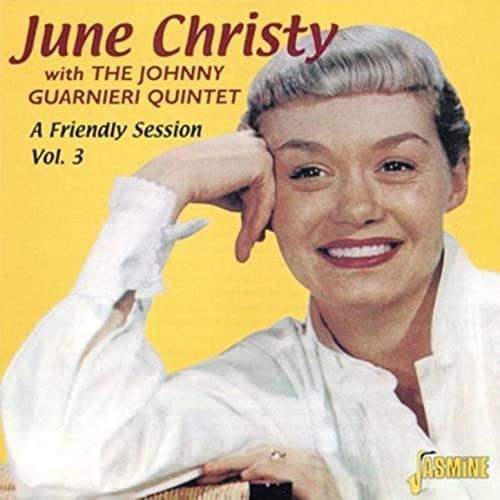
 View Artist