Song Meaning
These lyrics paint a picture of quiet observation on a familiar street, tinged with a deep yearning for change. The narrator walks a path they know well, yet holds onto the possibility that "someday this street will be called differently." It's a snapshot of a life lived in a state of hopeful anticipation.
The central tension here lies between a stagnant present and a desired future. The line "Nekas man apkārt vairs nav svaigs" perfectly captures a sense of weariness, a world devoid of novelty. Yet, this feeling is juxtaposed with a powerful, almost visceral hope: the narrator anticipates moving forward, perhaps even shouting "from joy." This duality is encapsulated by the evocative image, "Under two flags my time passes," suggesting a life caught between conflicting loyalties, identities, or eras.
The craft here is subtle but effective. The repetition of "sen zināmu ielu" (familiar street) underscores the cyclical nature of the narrator's experience, while the repeated use of "varbūt" (maybe) injects a crucial element of uncertainty that makes the hope feel earned. The passing "Rolls-Royce" offers a fleeting glimpse of another world, perhaps a symbol of the present order, from which a call in a "familiar language" might eventually lead to the desired transformation.
Ultimately, these lyrics resonate because they articulate a profound, quiet longing for transformation. The contrast between the mundane setting and the extraordinary emotional release anticipated – "maybe even shout with joy" – makes the narrator's belief, "But I believe and hope," land with significant weight. It's a testament to enduring hope in the face of an unchanging reality.
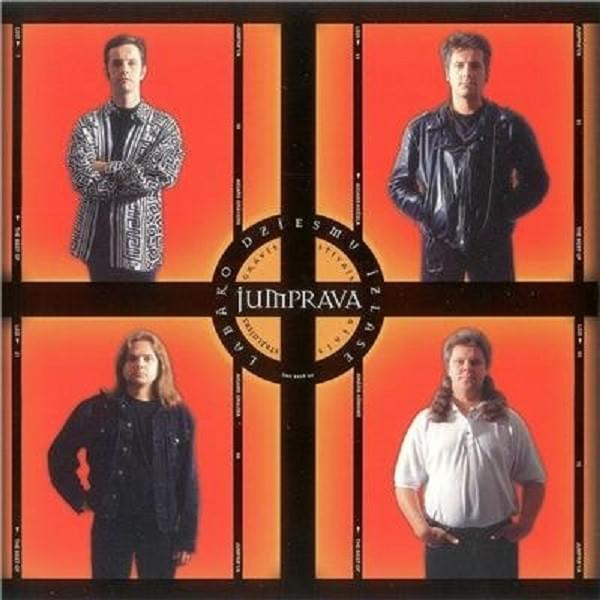
 View Artist