Song Meaning
The lyrics paint a picture of a persistent, almost inseparable companion, referred to as "ēna" (shadow). The narrator questions why this shadow, which is always present and seemingly understands them, doesn't speak or acknowledge them directly. There's a palpable sense of dependence, with the narrator stating, "Kamēr Tu blakus man, es dzīvs" (As long as you are next to me, I am alive), highlighting a deep, perhaps unhealthy, reliance on this shadow's presence for their own sense of being.
The central tension arises from the shadow's unwavering proximity versus its apparent lack of reciprocal engagement. The narrator asks, "Kāpēc ar mani Tu nerunā?" (Why don't you talk to me?), and notes, "Tu, ēna, nelokies / No manis Tev neaiziet" (You, shadow, don't bend / You don't leave me). This creates a dynamic where the shadow is a constant, silent witness, a reflection that offers no verbal comfort or interaction, leading to a feeling of isolation within constant companionship.
The most striking aspect is the narrator's evolving desire: initially, they are tethered to the shadow, but by the chorus, the sentiment shifts to "Es gribu citu ēnu sev" (I want another shadow for myself). This suggests a realization that the current shadow, despite its understanding and constant presence, is not fulfilling, or perhaps the narrator wishes to escape the reflection of their own perceived flaws, as described in the appended definition of a shadow.
This lyrical exploration is effective because it uses the simple, tangible image of a shadow to represent a complex internal state. The contrast between the shadow's physical closeness and emotional distance, coupled with the narrator's eventual wish for a different reflection, captures the universal human experience of seeking connection and understanding, even from aspects of ourselves that feel alien or unresponsive.
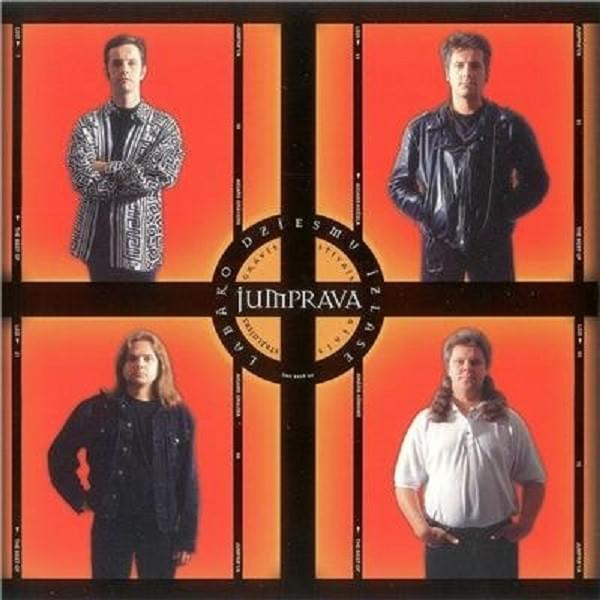
 View Artist