Song Meaning
The lyrics paint a stark picture of a relationship where one person's gaze feels like a violent act. The narrator describes the sensation of being watched as akin to a "pistola," with the other person approaching "con la mira en alto" and shooting "a quemarropa." This intense, almost aggressive scrutiny is contrasted with the narrator's own state of being, feeling like a "zombie" playing "funkin" all night while the other sleeps. The core tension lies in this disconnect: one person's perceived threat versus the other's nocturnal, almost detached existence.
The central conflict seems to stem from a demand for acceptance, encapsulated in the repeated refrain, "Así como me ves así me quieres." This plea suggests a desire for love or validation that is conditional on being seen and accepted in their current, perhaps flawed or weary, state. The imagery of hiding "entre la colcha" and watching implies a voyeuristic or judgmental observation, while the narrator's own actions – playing games all night – hint at a coping mechanism or an inability to fully engage with the other person's presence.
The most striking craft element is the juxtaposition of intimate domestic imagery with violent metaphors. The "cama" (bed) carries the "aroma a tu piel," a tender detail, yet this is immediately followed by the unsettling "pálida flor de la noche" and the recurring gun imagery. This contrast creates a disquieting atmosphere, suggesting that even in moments of supposed closeness, there's an underlying tension or danger. The narrator’s self-description as a "zombie" further emphasizes a feeling of being drained or disconnected, trapped in a cycle of nocturnal activity.
Ultimately, the lyrics resonate because they capture a specific, uncomfortable dynamic of being scrutinized within a relationship. The repeated phrase acts as both a demand and a confession, highlighting the vulnerability of wanting to be loved for who you are, even when that self is presented as nocturnal, zombie-like, and under a perceived barrage of judgment. The writing effectively uses sharp, contrasting images to convey a sense of unease and a desperate plea for unconditional acceptance.
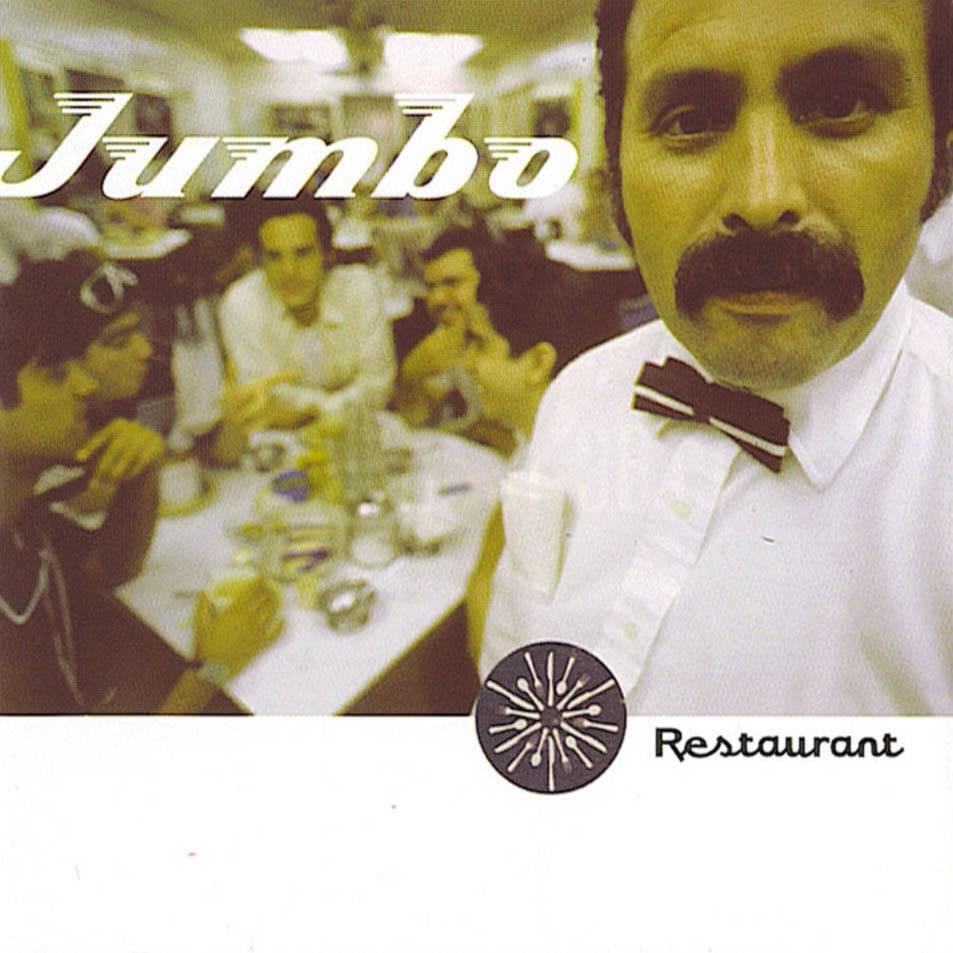
 View Artist