Song Meaning
The narrator acknowledges their own negative role in a past relationship, admitting, "I'm the bad one, it's true." The initial lines suggest a recent end, contrasting a "good fun" yesterday with the current reality. The core of the message is a directive to the other person: "Move on, sweet flower." This phrase, repeated, carries a tone that shifts from gentle encouragement to something more dismissive, as the narrator states, "You know more amuse me." This implies a loss of interest or a desire to be free of the connection.
The lyrics present a complex emotional landscape, hinting at a power dynamic where the narrator feels they have caused harm but are now asserting control over the separation. The line "You're no worse without me" attempts to offer reassurance, yet it’s undercut by the preceding statement, suggesting the narrator’s own amusement is now the primary driver. This creates a tension between perceived liberation and a lingering, perhaps self-serving, detachment.
The latter half of the lyrics introduces a series of vivid, almost idyllic images: "fish swimming in a fountain free from slime," a "fox run through open fields," and a "cat asleep on the steps in the sun." These scenes evoke a sense of natural freedom and peace. The narrator then abruptly concludes with "I saw you," placing the subject of their directive within this imagery of unburdened existence. This juxtaposition suggests the narrator perceives the other person as capable of finding their own happiness and freedom, separate from them.
Ultimately, the effectiveness of these lyrics lies in their blunt honesty and the subtle cruelty embedded in the repeated command. The narrator’s self-awareness of being "the bad one" doesn't lead to remorse but to a decisive, albeit cold, push for separation. The natural imagery serves not as a shared memory, but as a backdrop against which the narrator frames their desire for the other person to move on, highlighting a complex mix of guilt, indifference, and a strange form of liberation.
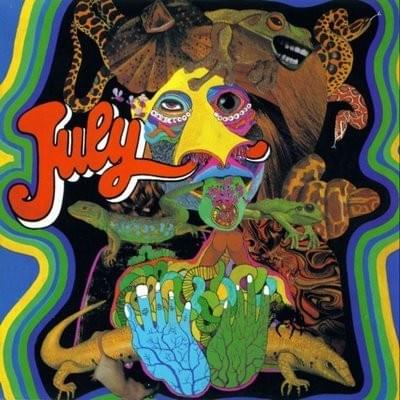
 View Artist