Song Meaning
Julio Iglesias's "Rio Rebelde" is a masterclass in melancholic longing, a signature exploration of lost love rendered with the smooth, almost detached delivery that defines his style. The song meaning isn't buried in complex metaphors; instead, it resides in the stark simplicity of a symbolic act: casting a handkerchief into the river, watching it sink, a final goodbye to a love that has faded. The handkerchief represents the last vestige of affection, a tangible memory now surrendered to the relentless current. The lyrics analysis reveals a speaker caught between acceptance and a fragile hope, clinging to the possibility that "el rio," the rebellious river itself, might one day return what's been lost.
That image of the river is central. It's a force both destructive and potentially restorative. The river takes the symbol of lost love away, yet the singer anticipates its return to the shore. This push and pull mirrors the internal conflict of someone trying to move on while simultaneously harboring a secret, persistent hope. The line "Pero yo se bien que nunca jamas / Podre ser feliz sin tus alegrias" cuts through the subtle optimism with a raw admission of dependence. It's a recognition that the joy once shared is irreplaceable, a void that colors his present and future.
Ultimately, "Rio Rebelde" is a poignant study of lingering attachment. The handkerchief in the river is not just a farewell; it's a question mark tossed into the flow of time. The "nido aquel que quedo sin luz" (that nest that remained without light) powerfully symbolizes the emptiness and desolation left in the wake of lost love. The song captures the bittersweet reality of knowing a relationship is over while still being haunted by the ghost of its happiness, a feeling Iglesias conveys with understated grace.
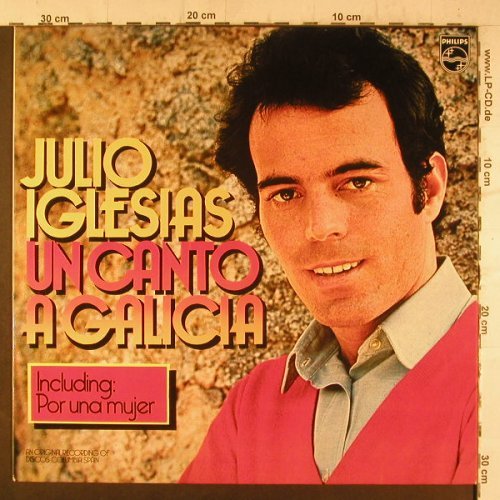
 View Artist