Song Meaning
Julio Iglesias's plea, "Que No Se Rompa la Noche," is more than a simple romantic ballad; it's an invocation against the dawn, a desperate yearning to suspend time within the intoxicating realm of desire. The repeated refrain, "Que no se rompa la noche / Por favor, que no se rompa" is a hypnotic spell, a mantra designed to ward off the encroaching reality that threatens to dissolve the intensity of the present moment. The night, then, becomes a container for passion, a space where the boundaries of self blur and the overwhelming force of Eros reigns supreme. The lyrics paint a picture of a love so profound that the singer fears its dilution by the mundane light of day. The extended metaphor of the night as something fragile, easily broken, speaks to the precarious nature of intense connection, the awareness that such heightened states are often fleeting.
Iglesias doesn't just ask for any night; he requests one that is "serena y larga," resembling "el tallo de la rosa," a symbol of both beauty and fragility. This isn't about mere physical gratification; it's about cultivating an atmosphere, a sanctuary where love can flourish without the constraints of time or societal expectations. The promise, "si la noche no acaba / Yo te voy a enloquecer," hints at the transformative power of sustained intimacy, the potential for mutual surrender and ecstatic transcendence. It's a bold claim, suggesting that within the uninterrupted darkness, a deeper, more primal connection can be forged. The lyrics speak to a universal fear: that the magic will dissipate, that the exquisite tension will unravel with the rising sun.
"Que No Se Rompa la Noche" taps into the fundamental human desire to escape the limitations of our temporal existence. The singer explicitly hopes that neither the stars nor the moon will disappear, wishing for an endless night. The repeated lines, "Que no se rompa la noche / Que no llegue la mañana," underscore the anxiety associated with the return to normalcy. The lyrics aren't just about delaying the inevitable; they're about actively resisting it, about clinging to the intensity of the present as a form of rebellion against the ordinary. It’s a primal scream against the perceived constraints of linear time, a yearning for eternal connection expressed through the sensual language of romantic love.
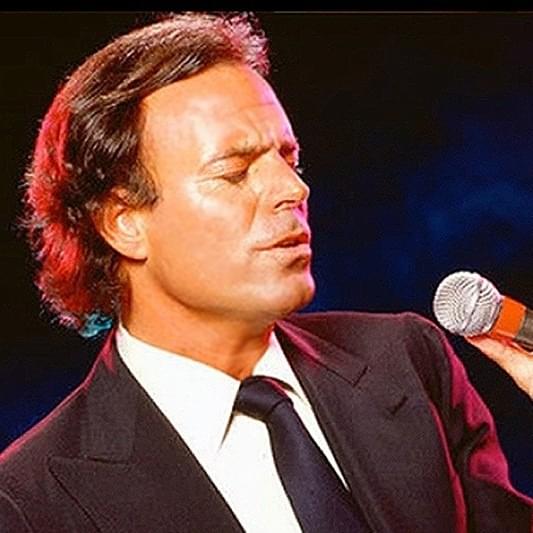
 View Artist