Song Meaning
Julio Iglesias, a name synonymous with romantic longing, delivers a masterclass in melancholic devotion with "No Rain, No Flowers." The song, a plea for a sliver of affection, transcends simple love song tropes, delving into the psychology of obsession and the intoxicating nature of unrequited desire. Iglesias doesn't just sing about love; he embodies the yearning, painting a portrait of a man consumed by a fleeting connection that has irrevocably altered his world. The opening lines establish this seismic shift, where a single kiss has upended his existence, disrupting his thoughts and plunging him into a state of restless melancholy. This isn't a celebration of love's joy, but an exploration of its disruptive, almost destabilizing power.
The lyrics reveal a man caught in a self-perpetuating cycle of hope and despair. He acknowledges the slim chance of reciprocation ("Aunque sé que no me quedan esperanzas"), yet clings to the fantasy of a shared love, a delusion he needs to "continuar viviendo." This hints at a deeper vulnerability, a reliance on the illusion of connection to navigate his emotional landscape. The repeated refrain, "Por un poco de tu amor," underscores the desperation, highlighting the disparity between the enormity of his feelings and the meager offering he craves. He's willing to surrender everything for a mere fragment of her affection, a testament to the addictive quality of even the smallest gesture of love.
Ultimately, "No Rain, No Flowers" isn't just about romantic longing; it's about the human need for connection and the lengths to which we'll go to satisfy it. Iglesias masterfully captures the bittersweet reality of unrequited love, where the pain of absence is intertwined with the intoxicating allure of possibility. The song's meaning lies in its raw honesty, its unflinching portrayal of a man grappling with his own vulnerability and the consuming power of a love that may never be his. He's not simply asking for love; he's begging for a reason to keep believing in it, even if that belief is built on a foundation of fantasy and self-deception.
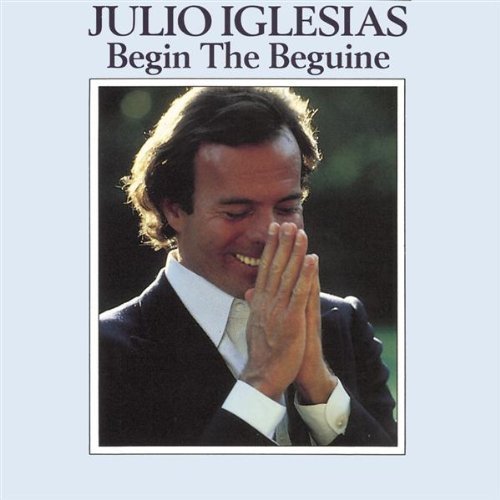
 View Artist