Song Meaning
Julio Iglesias's "Morriñas" isn't just a song; it's a poignant exhale of longing, a saudade that clings to the soul like sea mist. The song meaning is embedded in the Galician concept of "morriña" itself – a deep, almost untranslatable homesickness, a yearning for what's been left behind, tinged with a sweet melancholy. Iglesias, with his signature velvet voice, becomes the bard of the expatriate, channeling the bittersweet ache of those who've sought new lives elsewhere but find their hearts perpetually tethered to their "tierra querida," their beloved homeland. The lyrics, simple yet evocative, paint a picture of a community bound by shared sorrow and enduring memory.
The recurring motif of tears is central to understanding the song’s emotional core. These aren’t tears of pure despair, but rather a complex blend of sadness and joy, reflecting the duality of the immigrant experience. The lyrics suggest that no one has cried with more joy than those who have returned to Galicia, implying that the pain of separation only amplifies the bliss of reunion. The song also touches upon the universal human desire to freeze time, to hold onto the past, particularly the idyllic memories of childhood. This is especially resonant for those displaced from their origins, for whom the past becomes an idealized sanctuary.
Ultimately, "Morriñas" is a testament to the enduring power of place and the indelible mark it leaves on the human psyche. The reference to the "muñeira y verso" (a traditional Galician dance and verse) further roots the song in its cultural context, underscoring the importance of heritage and identity in the face of displacement. Julio Iglesias doesn't just sing about longing; he embodies it, offering a comforting balm to anyone who's ever felt the pull of a distant home.
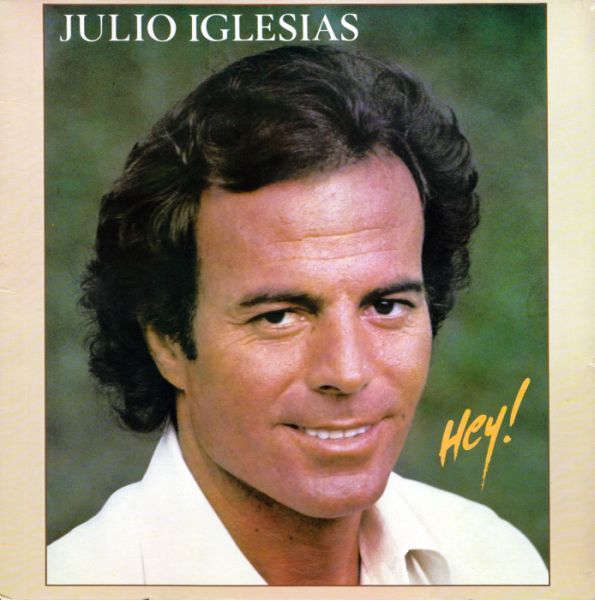
 View Artist