Song Meaning
Julio Iglesias's "La Paloma" is a masterclass in melancholic longing, a sonic portrait of absence painted with the delicate brushstrokes of memory and avian symbolism. Forget grand operatic gestures; this is a whisper of heartbreak, a saudade that clings to the listener like morning mist. The lyrics themselves are deceptively simple, yet resonate with the profound ache of abandonment. The unnamed woman's departure at dusk becomes a fixed point in the narrator's psyche, an 'ayer' (yesterday) that forever haunts his present. This isn't just about romantic loss; it's about the disintegration of a shared world, the silencing of a once-familiar song. The recurring motif of the white dove ('la paloma blanca') serves as a poignant messenger, a fleeting reminder of what's been lost.
The dove's appearance at dawn, singing 'viejas melancolías' (old melancholies), underscores the cyclical nature of grief. Each new day brings a fresh wave of sorrow, stirred by the bird's haunting melodies. The dove becomes a symbol of both hope and torment. It offers a glimpse of the past, a connection to the departed lover, yet its ultimate flight 'a su casa' (to her house) reinforces the narrator's isolation. This push-pull dynamic—the yearning for connection juxtaposed with the stark reality of separation—lies at the heart of the song's emotional power. The dove's elusiveness amplifies the narrator's sense of powerlessness, a feeling that intensifies as he questions where his voice, his very essence, has gone in her absence.
Ultimately, "La Paloma" transcends a simple love song. It delves into the psychological terrain of abandonment and the desperate clinging to memory. The lyrics, 'Donde va que mi voz / Ya no quiere escuchar / Donde va que mi vida / Se apaga' (Where does she go that my voice / No longer wants to hear / Where does she go that my life / Fades away), expose the narrator's profound sense of self-loss. His identity is inextricably linked to the absent woman, and her departure has left him adrift, his voice silenced, his life force diminished. The final verse, a plaintive declaration of unwavering devotion ('Si quisiera volver / Yo la iría a esperar'), offers a sliver of hope, but it's a hope tinged with a deep-seated understanding of the enduring pain of loss. The song meaning resides in this delicate balance between enduring love and the crushing weight of loneliness.
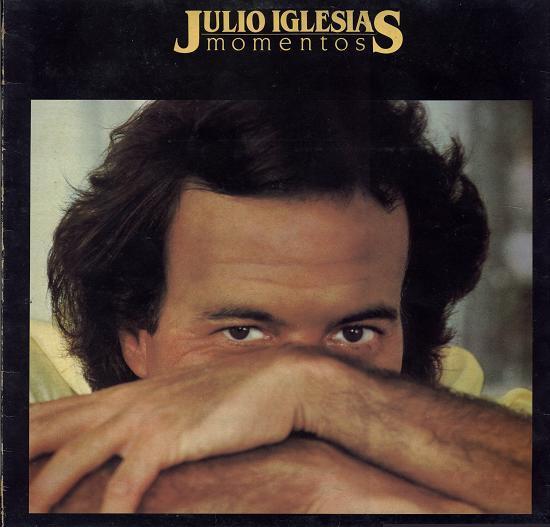
 View Artist