Song Meaning
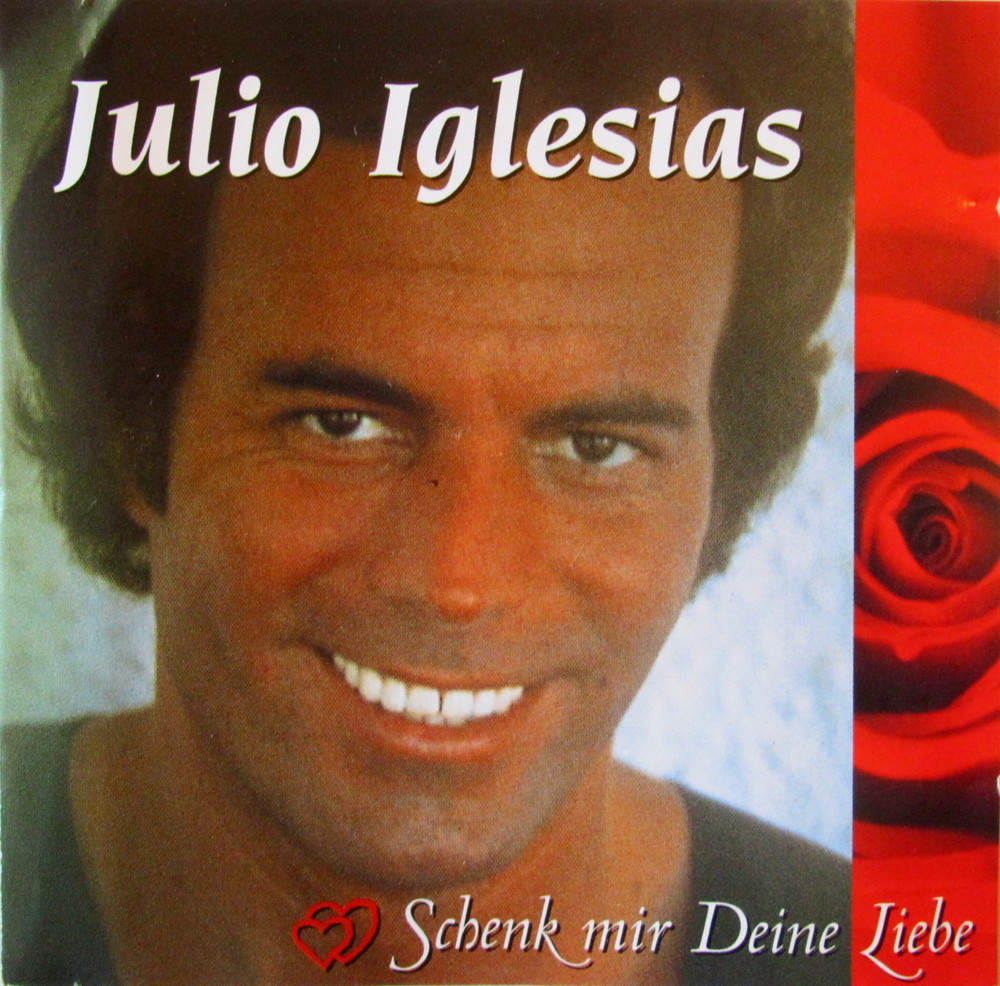
Julio Iglesias, a master of melancholic romance, delivers "Cu Cu Rru Cu Cu Paloma" as a heart-wrenching ballad of love, loss, and lingering spirit. The song's power lies not just in Iglesias's vocal delivery, but in the stark simplicity of its narrative: a man consumed by grief, driven to the brink by a lost love, and whose sorrow echoes even after death. The opening verses paint a picture of utter devastation – sleepless nights spent weeping and drinking, a man so undone that even the heavens tremble at his cries. It's a portrait of raw, unfiltered pain, the kind that burrows deep into the soul.
The transformation of the man's spirit into a dove, forever cooing its mournful song outside her empty house, elevates the tragedy to a near-mythic level. The "cucurrucucú" becomes an emblem of eternal longing, a haunting reminder of a love that transcends even death. The lyrics suggest that this paloma, this dove, is not just a symbol, but the very essence of the man's undying devotion, forever waiting for the return of his beloved. It speaks to the power of love to shape our identities, even in absence.
Ultimately, "Cu Cu Rru Cu Cu Paloma" resonates because it taps into universal themes of heartbreak and the enduring power of memory. The plea to the dove, "cucurrucucú, no llores," serves as both a lament and a desperate attempt to find solace in the face of inconsolable grief. The line, "Las piedras jamás, paloma, qué van a saber de amores," highlights the profound disconnect between those who have loved and lost, and those who remain untouched by such profound emotional experience. It's a song that understands the unique language of sorrow, spoken fluently by the brokenhearted.
 View Artist