Song Meaning
Julio Iglesias's "Anima ribelle" paints a portrait of a young woman on the cusp of adulthood, wrestling with newfound freedom and burgeoning sexuality. The recurring phrase "Anima ribelle" (rebellious soul) immediately establishes her as a free spirit, someone who defies convention. The lyrics suggest a tension between her outward confidence and inner vulnerability, highlighted by descriptions of her tight jeans and sun-kissed skin juxtaposed with the line about being "almost ashamed" of her virginity. This contrast speaks to the complex emotional landscape of a young woman navigating societal expectations and her own desires. The song meaning explores themes of youthful rebellion, sexual awakening, and the search for identity.
The lyrics emphasize the duality within this 'rebellious soul.' While she embraces her freedom and easily opens her arms, the song hints at a longing for something deeper than fleeting encounters. The lines "Finché l'uomo giusto / Non arriverà / Vivi da incosciente / La tua libertà" (Until the right man arrives / Live unconsciously / Your freedom) suggest a temporary embrace of carefree living while awaiting a more meaningful connection. This speaks to a common experience: the tension between enjoying the present moment and yearning for a future relationship. Iglesias captures the essence of a woman testing boundaries, both physically and emotionally.
Ultimately, "Anima ribelle" is less a celebration of pure rebellion and more an observation of a young woman’s journey of self-discovery. The lyrics don't judge her choices but rather present them as part of a larger process of finding herself. The song’s reference to her being "not yet a woman" underscores this transitional phase. It's a moment of exploration, experimentation, and the gradual understanding of love's true identity. The song meaning resides in this delicate balance between freedom and vulnerability, rebellion and the search for authentic connection.
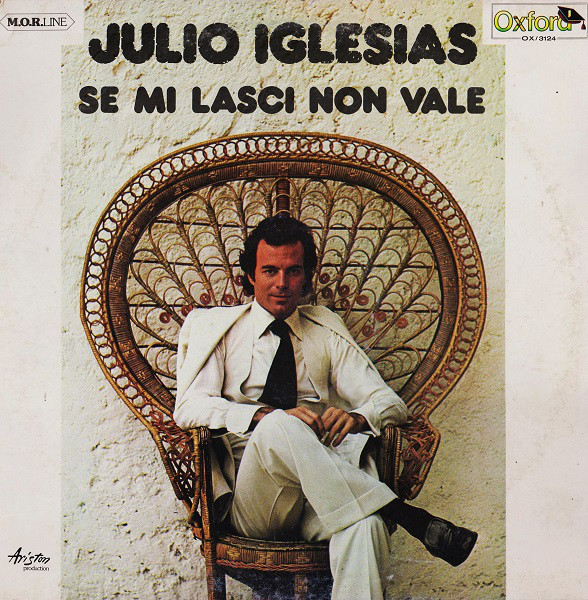
 View Artist