Song Meaning
The lyrics paint a stark contrast between a vibrant, tropical past and a desolate, frozen present. The narrator recalls an island paradise, a city alive with singing gardens and colorful birds, now lost and adrift. This idyllic memory is directly juxtaposed with the current reality, where the once-burning volcano of life is now freezing over. The shift from a place of "balance and reason" to one of "crazy idea" suggests an internal or external force has fundamentally altered the narrator's world.
The central tension arises from this abrupt, inexplicable transformation. The narrator directly addresses someone, stating, "You turn the world upside down for me." This suggests a personal betrayal or a profound disappointment has triggered this internal winter. The imagery of the volcano, once a symbol of vibrant life, now freezing, powerfully conveys the death of passion and energy. The question, "Why this wind? Love is dead!" explicitly links the environmental and emotional desolation to a lost relationship.
The most striking craft element is the personification of the city and the volcano, both of which undergo a dramatic, unnatural change. The city "drowned suddenly," and the volcano's "lava freezes." These are not natural occurrences but rather manifestations of the narrator's internal state, amplified by the implied actions of the person addressed. The final lines, filled with unsettling images of silence, strange noises, and a black horse, create a sense of foreboding and finality, solidifying the feeling of an inescapable, imposed winter.
This lyrical construction is effective because it externalizes a profound emotional collapse onto the landscape. The vibrant sensory details of the past make the present desolation feel even more acute. The direct accusation and the unanswered questions create a palpable sense of shock and grief, making the narrator's descent into this perceived "winter" feel deeply personal and devastating.
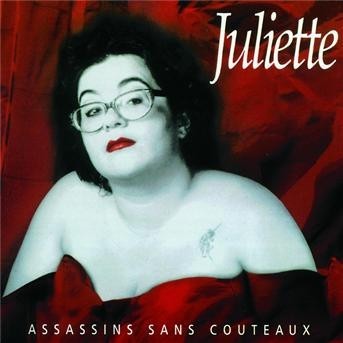
 View Artist