Song Meaning
The narrator identifies as "one of the barefoot ones," a group seemingly marked by hardship and a lack of reprieve. There's a profound weariness here, a sense of being stuck despite a vital inner force. The "rain that doesn't fall" suggests a lack of nourishment or progress, leaving the narrator "tired" and unable to grow, even as their "blood," after being "emptied," paradoxically "warms like the sun."
This internal conflict is amplified by a feeling of being weighed down by an oppressive "color" that's heavier than the narrator. The heart, detached from the body, continues to beat, hinting at a persistent life force or perhaps a lingering emotional state that persists even when the self feels fragmented. This detachment and continued function create a disquieting image of resilience born from profound alienation.
The lyrics reveal a deep self-recrimination, stating "I have no forgiveness / For having found the pale-faced." This suggests a past encounter or realization that has led to self-punishment. The image of "arms cut by the same hand / Embrace each other today, helpless" is particularly striking, illustrating a profound internal division where the self is both the perpetrator and the victim, now left in a state of mutual, helpless embrace.
The repeated declaration "I am one of the barefoot ones" and the final "I am tired" underscore a sense of inescapable identity and exhaustion. The inability to find forgiveness, coupled with the burden of this identity and the self-inflicted wounds, creates a powerful portrait of someone trapped in a cycle of weariness and self-condemnation, finding no solace even within their own being.
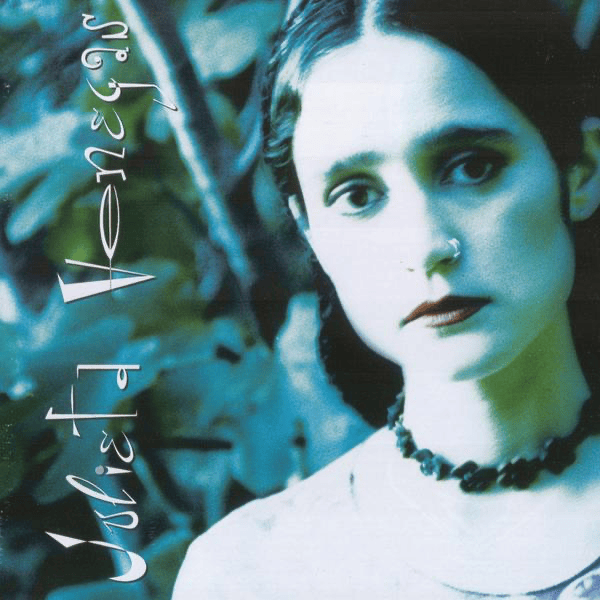
 View Artist