Song Meaning
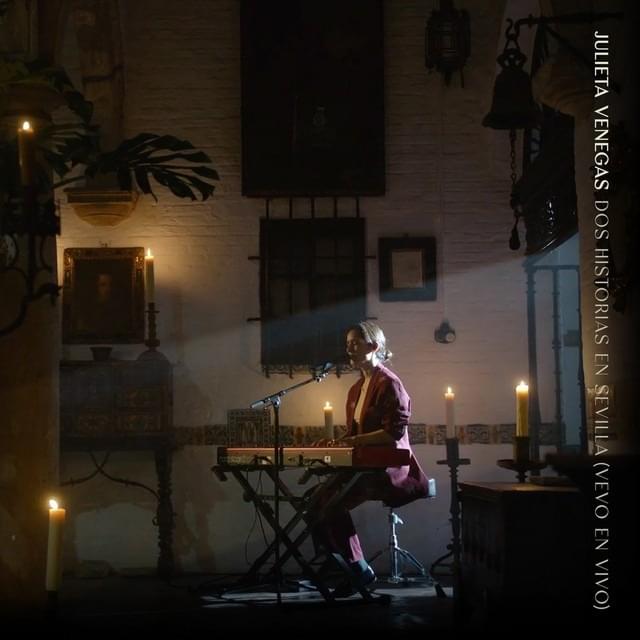
Julieta Venegas's live rendition of "Caminar Sola" isn't just a song; it's a stark, visceral confrontation with the everyday terror women face. The title itself, translating to "Walking Alone," is a direct signal. It's an anthem born not of abstract feminist theory, but from the gut-wrenching reality of existing in a world where simply walking alone can be an act of bravery. Venegas doesn't preach; she implicates. The opening verse, a plea for empathy ("Walk a while by my side / Brother, match your pace"), immediately sets a tone of shared experience, albeit one skewed by gendered power dynamics. She's not asking for pity, but for understanding – to see the world through the lens of constant, low-grade fear. The lyrics hint at the ever-present threat of male aggression, the 'good manners' that evaporate in the darkness, leaving only vulnerability. "Look with my body and my fears directly into the eyes that I usually find" is a gut-wrenching line, implying the constant assessment women must make of the men around them. This is not abstract paranoia; it is a learned survival mechanism.
The chorus is the song's emotional core, a raw expression of internal conflict. "I want to stay here dancing, but I can't / No, no, I can't / Because I'm afraid to go out walking alone." The dance floor represents safety, community, perhaps even a fleeting moment of liberation. But the fear of stepping outside that bubble, of facing the potential dangers lurking in the outside world, is paralyzing. It’s a feeling many women know intimately: the internal debate between freedom and security, the constant calculation of risk versus reward. The lyrics analysis reveals the 'doubtful inheritance' passed down through generations: a legacy of fear and pain that shapes women's behavior and limits their freedom. This isn't just about physical safety; it's about the psychological toll of living in a world where your very existence is perceived as a provocation.
Venegas doesn't offer easy answers or platitudes. "Caminar Sola" is a mirror reflecting the uncomfortable truths about gender, power, and fear. The repetition of "A caminar sola por ahí" at the song's close underscores the inescapable nature of this reality. There is no escape, no easy fix. It's a haunting reminder that until the world changes, women will continue to carry this burden, forced to navigate a landscape fraught with potential danger, forever mindful of the simple act of walking alone.
 View Artist