Song Meaning
The lyrics paint a stark picture of music's constant presence, whether in moments of grandeur or utter devastation. It begins with a simple observation: "Partout la musique vient / Partout la musique va." This sets a tone of inevitability, a soundtrack to existence itself. The immediate shift to the Titanic, a symbol of hubris meeting disaster, grounds this abstract idea in a specific, tragic event. The music, even as the ship sinks, is presented as a witness, a constant that outlasts the immediate chaos.
The central tension emerges as the lyrics move from the isolated tragedy of the Titanic to the widespread horror of war. The music that once played for an orchestra trapped in a sinking ship is now marching "au pas" with soldiers, its sound tied to the "clairon" and the "tambour." This isn't the music of celebration or even somber reflection; it's music weaponized, accompanying the march to conflict. The repetition of "Partout la musique vient / Partout la musique va" takes on a more sinister quality here, suggesting music's inescapable role in even the most destructive human endeavors.
The most striking turn comes with the imagery of trains carrying soldiers to their end, trains "dont personne ne reviendra." Here, the music is explicitly cast as "coupable." It's no longer a passive observer or an instrument of march, but something that actively "étouffer en mélodie / Les derniers cris d'agonie." This is a powerful accusation, suggesting that music, by its very nature of creating an aesthetic experience, can mask or even drown out the brutal reality of suffering, particularly in the context of "un génocide indéniable." The final plea for "plus d'une minute de silence" serves as a stark counterpoint to the constant, pervasive music, demanding a moment of unadorned acknowledgment of the horror.
This lyrical construction is effective because it uses the omnipresent nature of music as a foil for extreme human suffering. The contrast between the seemingly innocuous, pervasive "musique" and the horrific events it accompanies—shipwrecks, war, genocide—creates a profound sense of unease. The lyrics don't shy away from implicating music itself, suggesting that its very presence can be a form of complicity when it fails to acknowledge or actively obscures the gravity of human tragedy. The final lines force the listener to confront this uncomfortable relationship, questioning the role of art in the face of atrocity.
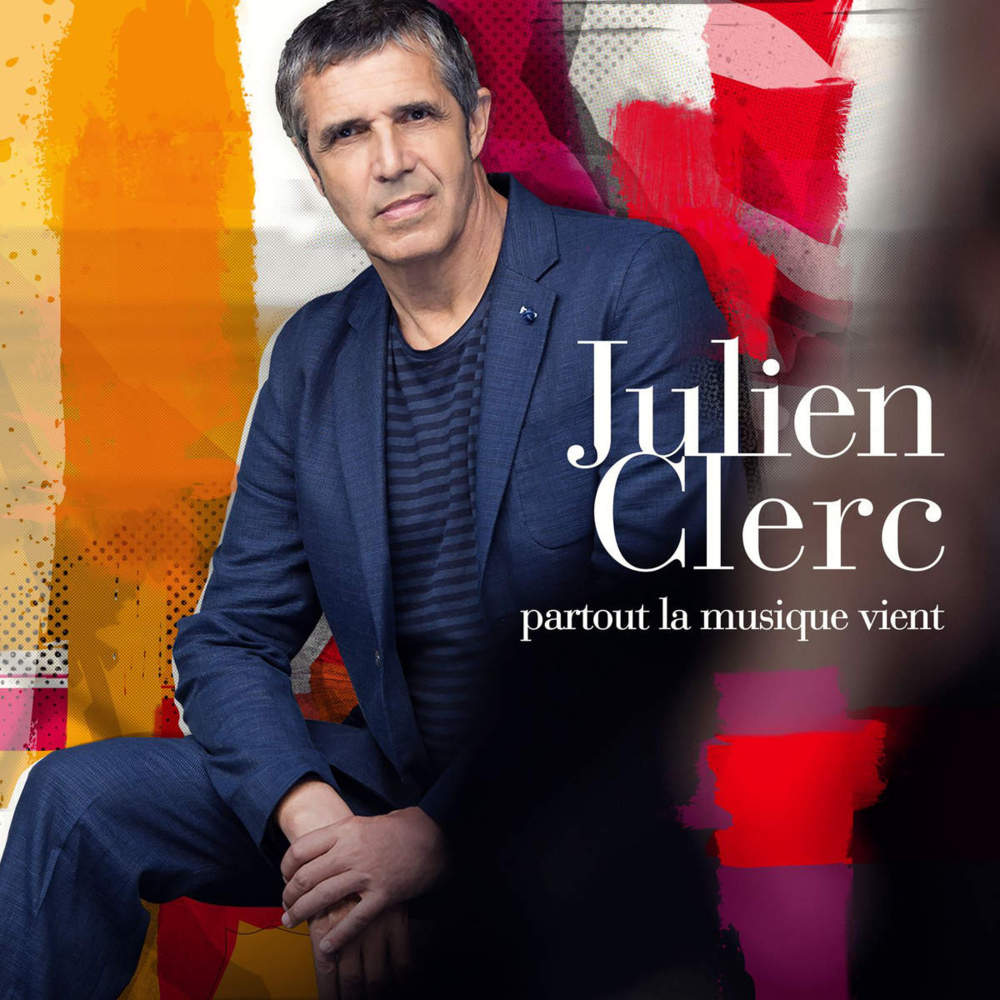
 View Artist