Song Meaning
The lyrics paint a picture of a dockside scene, where the beauty and length of the quay are acknowledged, but the core reality is the work of loading and unloading cargo. This labor is presented as a constant, a personal 'song,' regardless of whether the cargo is light 'cotton' or heavy 'lead.' The underlying sentiment is that the efficiency and success of this operation hinge entirely on the competence of the captain, a stark contrast to the potentially varied and beautiful surroundings.
The central tension arises from the juxtaposition of the potentially grand maritime setting and the mundane, yet critical, task of cargo handling. The repeated refrain, 'Bateau pressé, capitaine pas bon' (Hasty boat, bad captain), hammers home the idea that haste without skill leads to disaster. This isn't about the journey itself, but the crucial, often overlooked, management of the vessel and its contents. The lyrics suggest that regardless of the cargo's nature, a poor captain will inevitably lead to problems.
The most striking element is the almost absurd personification of nations, Congo and Ghana, as entities that can be called upon or ignore calls, even to the point of being 'making love.' This adds a layer of surreal commentary, perhaps hinting at the complex, sometimes unreliable, international dynamics or bureaucratic hurdles involved in trade. It contrasts sharply with the direct, hands-on nature of the dockworkers' labor, emphasizing their reliance on factors beyond their immediate control.
Ultimately, the effectiveness of these lyrics lies in their grounded, almost gritty, portrayal of labor and responsibility. The simple, repetitive structure mirrors the repetitive nature of the work, while the core message about leadership failure is delivered with blunt force. It’s a stark reminder that even in picturesque settings, poor leadership can derail the most essential operations, leaving the workers to face the consequences.
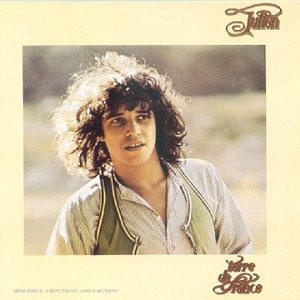
 View Artist