Song Meaning
The lyrics paint a stark picture of a world in decay, juxtaposed with a persistent, almost defiant embrace of life's simple pleasures. The opening lines immediately establish a sense of inevitable loss, with "la feuille" (the leaf) falling, yet the presence of "l'Amazone" suggests a powerful, enduring force that holds back the encroaching "automne" (autumn). This sets up a core tension: the external world crumbles, but an internal resilience, symbolized by the Amazon, remains.
The narrator's life is presented as a vibrant, almost surreal escape from the surrounding desolation. Despite the "froid" (cold) and the literal images of "catastrophes et chantages" (catastrophes and blackmail), "cyclones, inondations" (cyclones, floods), and economic hardship like "pénurie et chômage" (shortages and unemployment), the narrator's life is "une blonde / Qui danse la samba." This vivid image of a carefree dancer, set against the backdrop of "enfants dans le goudron" (children in the tar) and "industries qui se meurent" (dying industries), highlights a profound disconnect or a deliberate choice to focus on joy.
The craft here is in the stark contrasts and the recurring motif of "un peu" (a little). The lyrics present a litany of societal and environmental collapse – "la faim près de la maison" (hunger near the house), "la pluie dans le salon" (rain in the living room) – only to counter it with small, precious moments: "un peu d'amour sauvage" (a little wild love), "un peu de café au lit" (a little coffee in bed), and "des gestes libérés" (freed gestures). The repetition of "Amazone, Amazone, à la vie" (Amazon, Amazon, to life) acts as an incantation, a powerful affirmation of existence against overwhelming odds, suggesting that life, even in its most fragile forms, is worth celebrating.
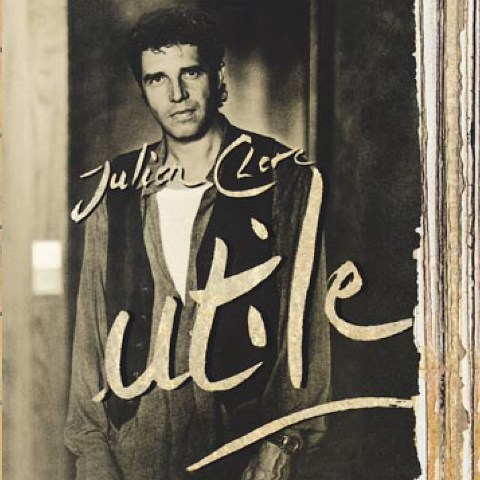
 View Artist