Song Meaning
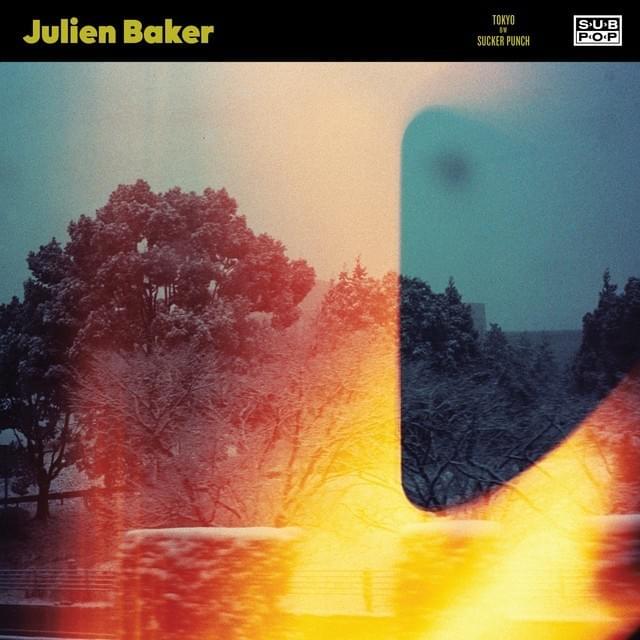
Julien Baker's "Tokyo" is a stark, emotionally turbulent exploration of self-destruction and the painful gap between desired intimacy and delivered reality. The opening lines, "Circling Tokyo, waiting to land," immediately establish a sense of anxious anticipation and delayed arrival. This holding pattern becomes a powerful metaphor for the speaker's inability to find grounding or peace, forever suspended in a state of pre-emptive anxiety. The fear of crashing, of "burning up on the runway," reveals a deep-seated belief in her own inherent destructiveness, a pattern of self-sabotage that prevents her from experiencing genuine connection. This isn't just about fear of failure; it's an expectation of it.
The chorus lays bare the wreckage of past failures, a "seven-car pileup of every disastrous thing that I've been." Baker doesn't shy away from the grotesque reality of her perceived flaws, inviting the listener to witness the aftermath. This act of exposure, however painful, seems almost compulsive, a desperate attempt to be seen, even in her brokenness. Yet, the lines "Like a hotel patron in your bed, a postcard, no return address" suggest an inherent transience and emotional unavailability. She’s present, but only fleetingly, leaving behind a superficial trace without offering any real depth or commitment.
The song's devastating core lies in the admission, "You want love, this is as close as you're gonna get." It’s a brutal assessment of her own capacity for connection, a recognition that what she offers falls tragically short of genuine intimacy. This isn't a defiant rejection of love, but a mournful acknowledgment of her limitations. The final lines, "Not enough, just as much as you think you can live with, until it's all gone, baby," speak to a self-fulfilling prophecy of loss. The song meaning then underscores the idea that the speaker is offering a meager substitute for love, and even that will inevitably vanish, leaving both parties empty-handed. "Tokyo" is a chillingly honest portrayal of internal conflict, the struggle to reconcile a yearning for connection with a deep-seated fear of intimacy and the destructive patterns that perpetuate isolation.
 View Artist