Song Meaning
Julien Baker's "Funeral Pyre" isn't just a song; it's an excavation of self-destructive devotion. The opening lines, "I wake up with the same pain every night/Digging a hatchet into my left side," immediately establish a landscape of recurring torment, a deliberate infliction of pain that feels both ritualistic and punishing. This isn't just sadness; it's a cyclical act of self-harm, a way to feel something concrete in the face of overwhelming emotional numbness. The image of clearing her chest "of something to burn" suggests a constant purging, an attempt to rid herself of the very feelings that define her, only to offer the resulting "ash" as a twisted offering to a loved one. It's a macabre love language spoken in the currency of pain.
The core of the song's meaning lies in this paradoxical desire to both cling and be consumed. Baker confesses, "Call me a coward, but I'm too scared to leave/'Cause I want you to be the last thing I see." This isn't merely about romantic love; it's about a deeper fear of abandonment, a willingness to endure any suffering to avoid being alone. The image of watching someone pour "lighter fluid out onto the leaves" evokes a sense of impending destruction, a deliberate act of self-immolation that the narrator is both drawn to and terrified by. The "funeral pyre" becomes a central metaphor for this relationship, a destructive force that simultaneously attracts and annihilates.
"Funeral Pyre" ultimately explores the dangerous allure of codependency and the lengths to which one will go to maintain a connection, even if that connection is toxic. The narrator's willingness to be "smother[ed] down to the embers" speaks to a profound lack of self-worth, a belief that she is only valuable in the context of another person's needs. The closing lines, "And it's true/It's nothing that we could do," offer a bleak acceptance of this dynamic, a recognition that some patterns are so deeply ingrained that they resist any attempt at change. In the world of Julien Baker's "Funeral Pyre," love is not a sanctuary but a self-made inferno.
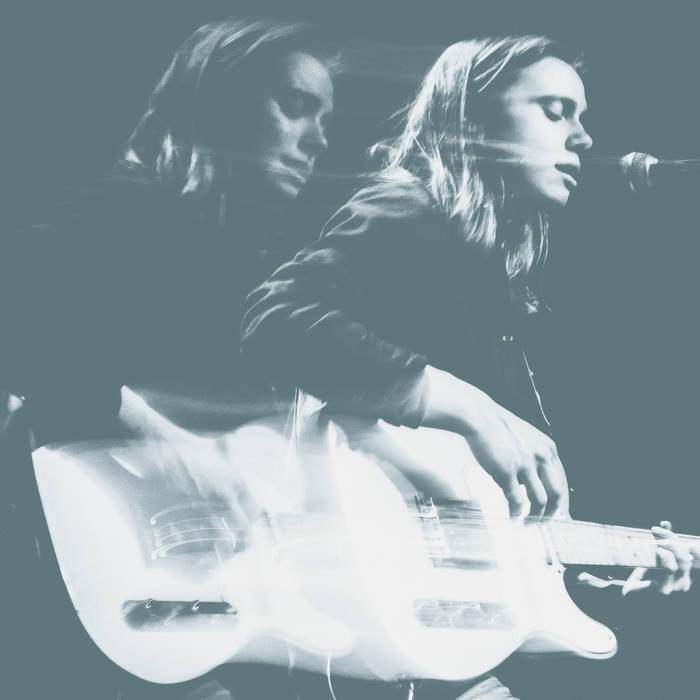
 View Artist