Song Meaning
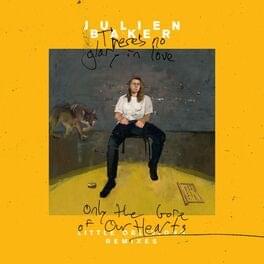
Julien Baker's "Favor (Jesu Remix)" excavates the raw, often brutal landscape of self-worth and the complicated calculus of interpersonal debt. The song, draped in Jesu's signature atmospheric textures, amplifies the inherent tension between Baker's confessional lyrics and the quiet desperation underpinning them. The opening lines, referencing a family visit and a gurney, immediately establish a backdrop of fragility and detachment. "The only kin I knew / Was who I could see from the gurney" isn't just a statement of isolation; it's a declaration of chosen family forged in the crucible of trauma or illness. The idea of friends "trying to do me a favor" hints at a history of self-destructive behavior, where acts of kindness are perceived as burdens rather than blessings. This creates a paradox: a desire for connection coupled with a deep-seated belief in one's own unworthiness. Baker questions how long she has until she uses up "everyone's goodwill", revealing a deep-seated anxiety about being a burden on those who care about her.
The moth pulled from the grill becomes a potent symbol. "How come it's so much easier / With anything less than human / Letting yourself be tender?" Baker laments the ease with which empathy flows toward creatures devoid of complex emotional expectations, contrasting it with the crippling difficulty of accepting vulnerability within human relationships. The chorus, with its admission of wanting to tell the truth but never finding "the right time," speaks to the paralysis of self-awareness. It's a vicious cycle where the fear of judgment or rejection silences authentic expression, perpetuating a sense of alienation. The "nicotine patch" metaphor further underscores this theme, portraying connection as a temporary fix, never fully satisfying the underlying craving for genuine acceptance.
The bridge is the song's emotional core, grappling with the existential question of intervention. "Who put me / In your way to find? / And what right had you / Not to let me die?" These lines are not accusatory, but rather a desperate plea for understanding. They question the very nature of salvation, the inherent right to choose one's own fate, even if that fate is self-destructive. The final lines, "If I had my way / I'd have missed you more / Than you missed me," are a gut-wrenching admission of both love and self-loathing. It's a desire to be worthy of being missed, a recognition that perhaps the greatest pain lies not in being forgotten, but in not being significant enough to leave a lasting void. The repetition of “You missed me” in the outro, stripped bare, becomes a haunting echo, a desperate reaching out into the void, questioning whether a mark was ever truly made.
 View Artist