Song Meaning
Julien Baker's "Claws in Your Back" isn't just a song; it's an autopsy of the self. Baker, known for her unflinching lyrical honesty, dissects the fraught relationship between self-destruction and a yearning for connection. The opening lines, referencing "circles that tell us how old we are beneath our eyelids," immediately sets a tone of weary self-awareness, hinting at the emotional toll of past experiences. The image of "pumping the vitals out of my wrist" is a stark confrontation with suicidal ideation, framed as an experiment, a detached yet desperate attempt to understand the boundary between life and death. This isn't mere melodrama; it's a clinical examination of the darkest corners of the mind. The mention of a "purple badge to prove what I did" adds a layer of culpability, suggesting a burden of guilt and shame that weighs heavily on the narrator. This could relate to substance abuse recovery, or a personal failure that haunts the singer. The listener is left to infer the specific source.
The core of the song meaning lies in the "violent partner" one carries, the inner critic that relentlessly lists failures. This resonates deeply with anyone who has battled anxiety or depression, where self-sabotage becomes a twisted form of comfort. Baker doesn't shy away from the uncomfortable truth that this internal struggle is often hidden, a secret shame. The chorus offers a glimmer of hope, albeit a complicated one. The line, "Living with demons I've mistaken for saints, if you keep it between us, I think they're the same," suggests a blurring of boundaries between good and evil, perhaps implying that destructive tendencies are intertwined with creative or passionate impulses. This duality is further explored in the lines, "I think I can love the sickness you made," revealing a complex relationship with suffering.
Ultimately, "Claws in Your Back" is a testament to the messy, contradictory nature of the human psyche. It's about acknowledging the darkness within, not necessarily to conquer it, but to coexist with it. The repetition of "I wanted to stay" underscores a fragile but persistent desire for life, even amidst the chaos of inner turmoil. The song doesn't offer easy answers or resolutions, but it provides a space for empathy and understanding. It is a raw and vulnerable exploration of the internal battles that many face, a reminder that even in our darkest moments, the will to stay can endure. It is a complex study of the psyche, a space of vulnerability and a reminder of the constant struggle between self-destruction and the will to live.
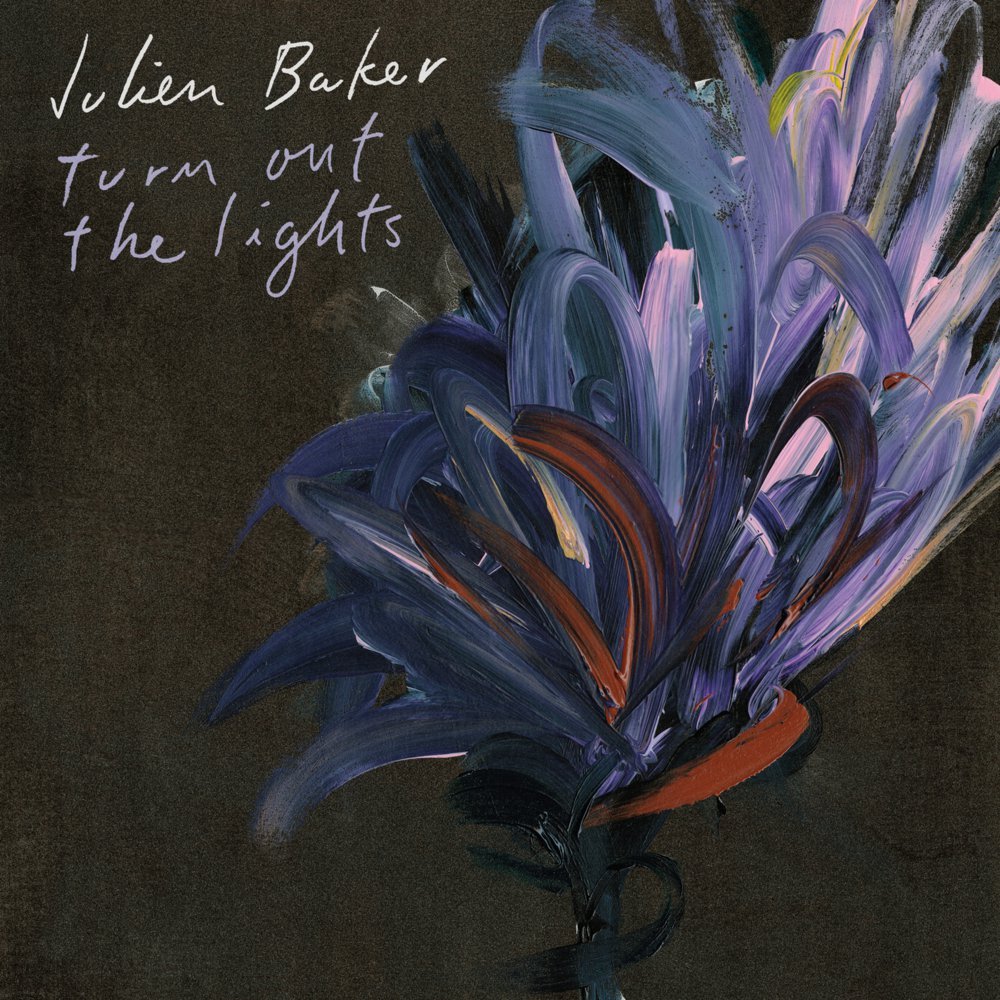
 View Artist