Song Meaning
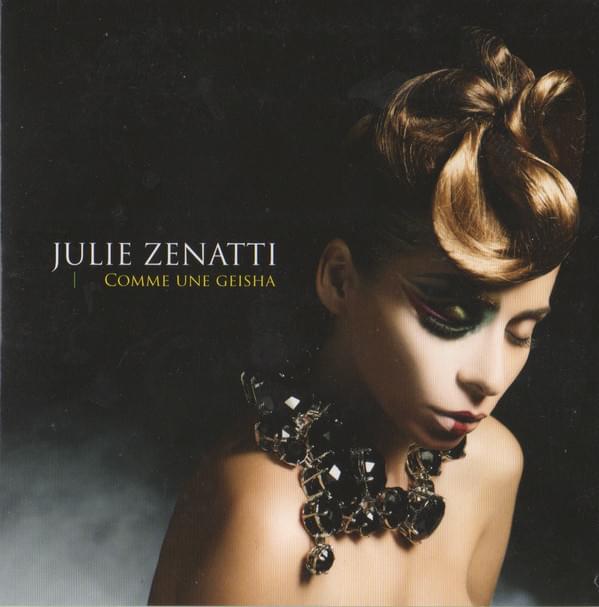
Julie Zenatti’s "Comme une geisha" isn’t just a song; it’s a carefully constructed persona grappling with the contradictions of performance and intimacy. The opening lines, rich with imagery of “anges de l’artifice” (angels of artifice) painting the scene, immediately establish a world of constructed beauty and theatricality. The geisha metaphor becomes a lens through which Zenatti explores the push and pull between submission (“docile”) and rebellion (“insoumise”), elegance and despair. She's trapped in a role, illuminated by stage lights and expectation, yet yearning to break free. The central question, "Comment être à toi ce soir?" (How to be yours tonight?) is a plea for genuine connection within this artificial landscape. It suggests a struggle to reconcile the performative self with the authentic self, a dilemma many face when their public image overshadows their private desires.
The lyrics hint at the emotional toll of maintaining this facade. The repetition of “Comme une geisha” emphasizes the constraints of the role, while the lines about black butterflies and illusions flying in the evening suggest a shedding of artifice, a desperate attempt to reveal the vulnerability beneath. The stage, with its fading lights and returning ghosts, represents both a prison and a source of identity. The performance, though seemingly glamorous, leaves her feeling exposed and haunted by past performances and lost connections. Zenatti isn't just singing about a geisha; she's embodying the universal struggle to be seen, truly seen, beyond the masks we wear.
Ultimately, the song’s meaning resides in its potent exploration of identity and freedom. The closing lines, "Je brule d'être moi / Tu gèles si tu cherches encore" (I burn to be myself / You freeze if you still search), speak to the urgency of self-discovery and the futility of seeking validation from external sources. Zenatti's plea is not just for physical intimacy but for emotional liberation. The geisha, a symbol of both beauty and constraint, becomes a powerful symbol of the artist's journey to reclaim her true self from the shadows of performance.
 View Artist