Song Meaning
The narrator is setting a scene of immediate, uninhibited physical connection, emphasizing its fleeting nature. The opening lines about the dress and heels immediately establish a mood of casual intimacy, where clothing is a temporary barrier, quickly shed. The focus isn't on romance or commitment, but on the present moment and the physical act. It's a straightforward, almost transactional encounter.
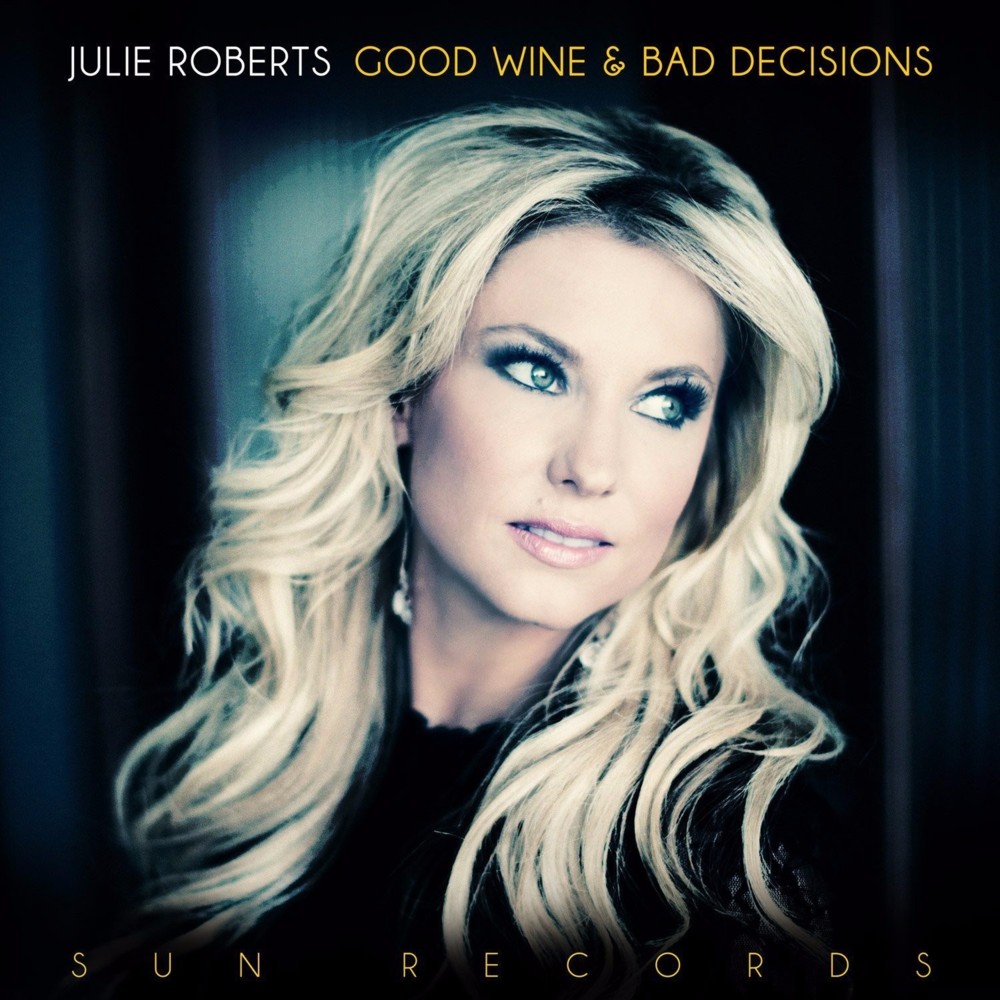
The core tension here lies between the pursuit of temporary comfort and the acknowledgment of its inherent transience. The repeated refrain, "Good wine and bad decisions," frames the encounter as a conscious choice, not necessarily a mistake, but certainly not a path to lasting happiness. The line "I'll be gone when the morning comes" underscores this, highlighting the narrator's intention to leave before any deeper emotional entanglement can form, seeking solace in the moment rather than a future.
The most striking craft element is the stark contrast between the casual, almost dismissive tone regarding the encounter and the underlying acknowledgment of loneliness. The narrator claims "Ain't hurt nobody, got no one at home," suggesting a lack of external consequences or emotional anchors. Yet, the admission "Sometimes a girl just don't like to be alone" reveals the deeper, perhaps unacknowledged, need driving these "bad decisions," adding a layer of vulnerability beneath the surface confidence.
This lyrical approach is effective because it captures a specific kind of self-aware recklessness. The narrator isn't pretending this is anything more than it is – a temporary fix for loneliness fueled by "good wine." The directness and the repeated, almost defiant, assertion of leaving in the morning create a sense of catharsis, offering a raw portrayal of seeking connection without the complications of commitment.
 View Artist