Song Meaning
The lyrics paint a stark portrait of a young person masking deep emotional pain with a forced facade. The opening lines immediately establish this disconnect: a smile applied like makeup, a deliberate "amnesia" to numb "shame." This isn't a conscious choice for relief, but a survival mechanism, as the narrator "can't afford to feel" the truth of the situation. Yet, a core part of the "soul can't forget," hinting at a buried awareness beneath the performance.
The central tension lies in the performance of normalcy versus the internal reality of brokenness. The repeated phrase "She can use a smile just like a barrier" and "count the pieces of her heart" highlights the effort involved in maintaining this outward appearance. She can recite prayers and say the "right words," suggesting a learned religiosity or social performance, but this external compliance doesn't bridge the internal chasm. The most poignant question, "she doesn't know how to feel precious to God," reveals a profound disconnect from self-worth and divine connection, despite outward piety.
The lyrics powerfully evoke the trauma of childhood abuse, particularly with the chilling line, "secrets daddies have, that little girls must keep." This directly implicates a parental figure and the burden of silence placed upon the child. The question "where children go when home is where the hurt is" is a devastating expression of abandonment and the loss of safety, suggesting a yearning for escape or a place where hurt doesn't reside. The narrator's ability to "be anybody that you want her to be" underscores the complete erosion of self, a desperate attempt to gain validation through shapeshifting rather than genuine acceptance.
This writing is effective because it grounds abstract emotional states in concrete, relatable actions and imagery. The contrast between the outward "smile" and the internal "pieces of her heart" is a potent metaphor for suppressed trauma. The repetition of the core refrain, "she doesn't know how to feel precious to God," acts as a haunting anchor, emphasizing the deep-seated lack of self-value that permeates the entire narrative. The specificity of the "daddies" and "little girls" anchors the pain in a particular, devastating context, making the emotional impact visceral and unforgettable.
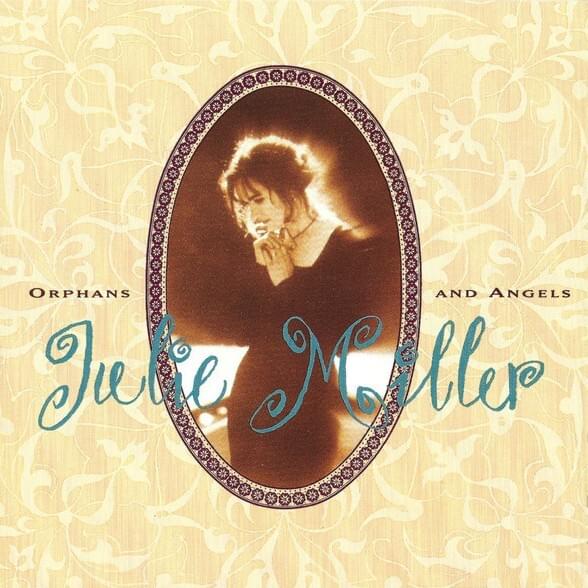
 View Artist