Song Meaning
The lyrics pose a profound question about the nature of kingship, contrasting earthly ambition with divine humility. The narrator marvels at a King who abandons celestial glory for a mortal existence, driven not by a desire for power or recognition, but by a solitary act of descent. This King chooses a path of loneliness, a stark counterpoint to the fame and renown sought by men. The immediate emotional tone is one of awe and gratitude for this unexpected, selfless act.
The central tension lies in the radical inversion of power and status. The King, who could command heavenly hosts, chooses instead a "manger throne" and a "humble stall," arriving "so small" and leaving behind "angels' praise." This deliberate diminishment is presented as the ultimate act of power, capable of "lay[ing] to rest" the "power of nations." The lyrics suggest that true strength is found not in dominion, but in vulnerability and sacrifice.
The most striking craft element is the recurring image of the "manger throne." This juxtaposition of a lowly feeding trough with the seat of royalty creates a powerful paradox. It's a physical representation of the King's humility and the unexpected place where divine authority is revealed. The narrator then internalizes this imagery, declaring, "That dirty manger is my heart, too / I'll make it a royal throne for You," transforming a symbol of external lowliness into an intimate space for divine presence.
These lyrics resonate because they articulate a deep spiritual paradox in accessible terms. The contrast between worldly ambition and divine sacrifice is stark, and the personal application of the "manger throne" to the narrator's own heart offers a direct pathway for spiritual connection. The simple, direct language and the repeated affirmation of the King's identity and the heart's new purpose create a powerful emotional anchor for the listener.
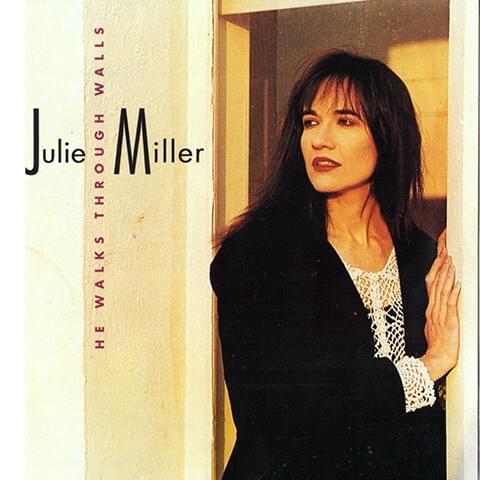
 View Artist