Song Meaning
The lyrics paint a stark contrast between a city upbringing and an idealized vision of Appalachia. Born amidst urban sounds like a "subway lullaby," the narrator's dreams of Appalachia are immediately framed as "dreams that had to die." This sets up a central tension: the imagined, romanticized landscape versus the harsh reality of the narrator's environment, where "the face of Appalachia was there in that cold, grey apartment light."
The core of the song lies in this unfulfilled yearning. The narrator conjures images of a vibrant, natural world – "somewhere steep with a waterfall," "wild birds sing" – a stark departure from the "coal trains wailing" and "banjos failing" that seem to represent a distorted or inaccessible version of the region. This idealized vision is further complicated by the introduction of Grandpa's broken promise. He intended to "walk through Appalachia," but "such a promise he could not keep," revealing that even the elder generation's connection to this place was fading into "an old man's memory."
The most poignant craft element is the recurring phrase "cold, grey apartment light," which anchors the abstract dream of Appalachia to a concrete, bleak reality. It suggests that the narrator's only tangible experience of this longed-for place is filtered through their urban confinement. The repetition of "She was changing, that's for sure" also adds a layer of melancholy, implying that the Appalachia of memory might be lost even to those who knew it best, making the narrator's dream even more ephemeral.
Ultimately, the lyrics resonate because they capture the ache of inherited longing and the disillusionment when idealized landscapes are confronted with lived experience. The writing effectively uses sensory details and a somber tone to convey the feeling of a dream deferred, a connection to heritage that remains just out of reach, existing only in the fading echoes of memory and the dim light of a city apartment.
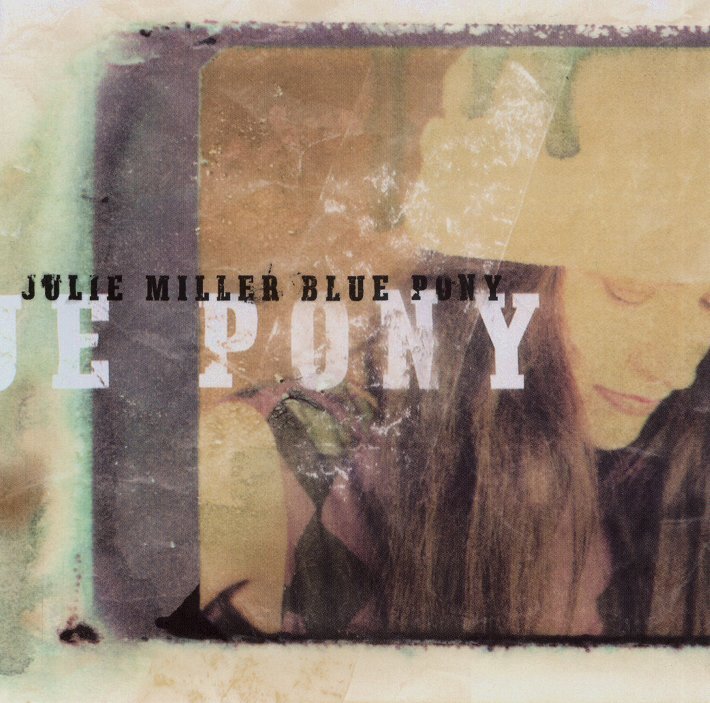
 View Artist