Song Meaning
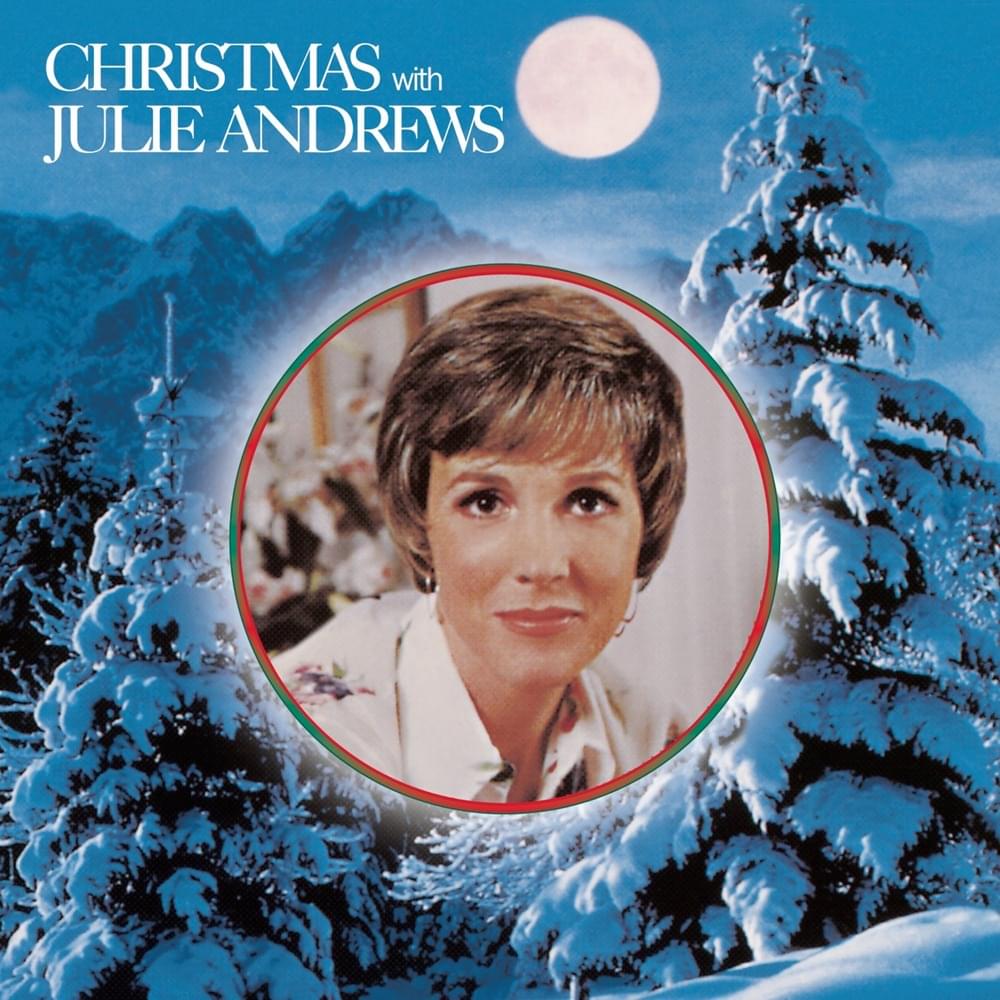
Julie Andrews' rendition of "It Came Upon a Midnight Clear" floats with a deceptively simple grace, belying the song's profound yearning for a peace that perpetually seems just out of reach. The lyrics paint a vivid scene: angels descending, harps shimmering, a world hushed in anticipation of a divine message. But the core of the song isn't merely a retelling of the Nativity; it’s a meditation on the *absence* of that promised peace in the present day. The wistful tone suggests a longing for a return to that moment of celestial clarity, a time when the world could collectively hear and heed the angels' song.
The genius of "It Came Upon a Midnight Clear" lies in its subtle acknowledgment of the human condition. The lyrics don't shy away from the "weary world," implying a burden of suffering and strife that drowns out the angelic chorus. It's a fascinating psychological play: the idealized vision of peace juxtaposed against the stark reality of human experience. The repetition of "the Angels sing" acts as both a reminder of the potential for harmony and a poignant commentary on our failure to fully realize it. The song's power resides in that tension, that space between what *could* be and what *is*.
Ultimately, Julie Andrews’ delivery enhances the song’s message of hope tempered by realism. It's a call not just to remember a moment of divine intervention, but to actively listen for the echoes of that message in our own lives. The song meaning evolves beyond a simple Christmas carol; it becomes an introspective examination of our individual and collective capacity for peace, and a challenge to amplify the faint but persistent song of the angels amidst the noise of the world.
 View Artist