Song Meaning
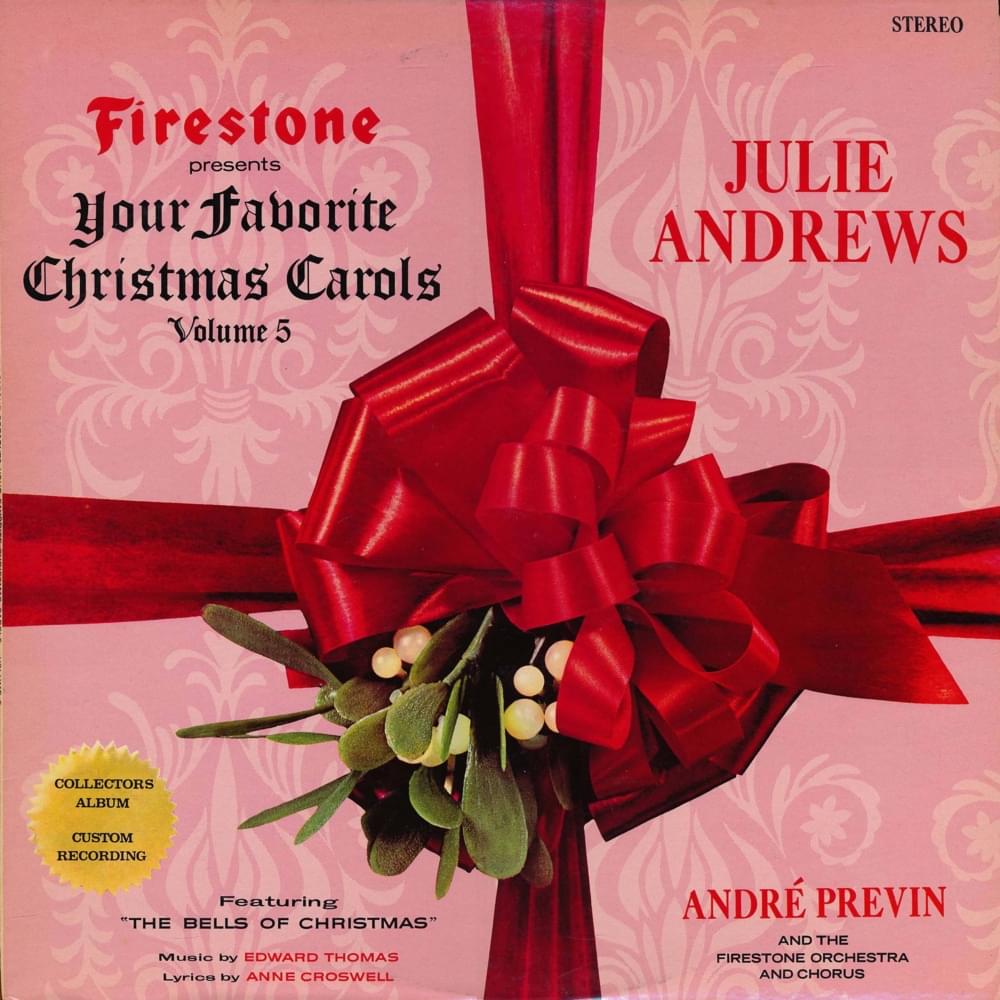
Julie Andrews' rendition of "Irish Carol" isn't just a Christmas hymn; it's a carefully constructed sonic architecture reflecting the divided yet unified nature of faith. The lyrics paint a vivid picture of a cosmic event, a birth so significant that it throws both heaven and earth into a state of ecstatic upheaval. Angels, normally symbols of serene order, are depicted in "strife and hurry," suggesting a joyous chaos erupting from the sheer magnitude of the moment. The phrase "All Holy" isn't a passive declaration, but an active, fervent cry, echoing through the celestial realms. This isn't a gentle snowfall of piety; it's a blizzard of divine energy.
The song then introduces a crucial duality: the "Church triumphant" in heaven and the "militant" on earth. This contrast highlights the different modes of experiencing faith. The triumphant church, bathed in glory, engages in pure adoration, while the militant church—those of us still navigating earthly struggles—approaches the divine with "humble faith." The beauty here is that both are valid, both are essential, and both are united by the central event of Christ's birth. There's a psychological resonance in this division, mirroring the internal conflict many feel when grappling with religious belief. The song acknowledges the struggle, the 'militant' aspect, while simultaneously offering the aspirational vision of 'triumph'.
Andrews' soprano, known for its clarity and precision, serves to amplify this sense of structured reverence. The carol’s simple structure and repetitive verses reinforce the cyclical nature of faith and the enduring power of tradition. In essence, “Irish Carol” becomes a meditation on the multifaceted nature of belief, acknowledging both the ecstatic joy and the humble struggle that define the human spiritual experience. It’s a reminder that whether we’re soaring with the angels or grounded in earthly concerns, we’re all participants in the same sacred narrative.
 View Artist