Song Meaning
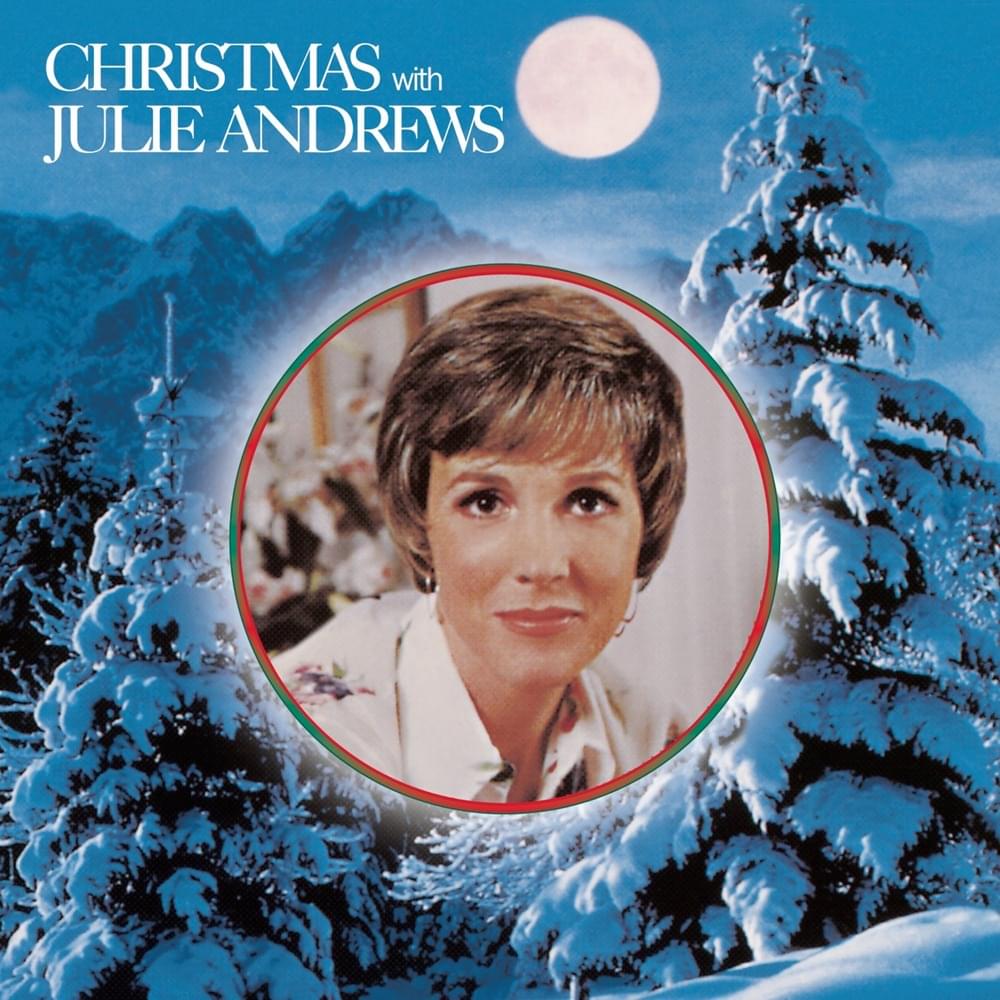
Julie Andrews' rendition of "In The Bleak Midwinter" isn't just a Christmas carol; it's a stark meditation on humility and devotion. Christina Rossetti's lyrics, set against a backdrop of unforgiving winter, paint a picture of a world stripped bare, mirroring the spiritual emptiness the song seeks to address. The bleakness isn't merely seasonal; it's existential, a landscape where even the earth and water are frozen in place. This harshness amplifies the quiet miracle of the Nativity, highlighting the contrast between divine event and desolate setting. The repetitive emphasis on "snow on snow" evokes a sense of smothering, as if even nature itself is struggling under the weight of expectation.
While angels "thronged the air," the true focus narrows to Mary, the mother, whose "maiden bliss" and simple kiss become the purest form of worship. This intimate portrayal of maternal love stands in opposition to the grandiosity of angelic hosts, suggesting that true reverence lies not in spectacle but in quiet, personal connection. The lyrics subtly subvert traditional power dynamics, placing the mother's tenderness above the celestial fanfare. It's a radical re-centering of the Christmas narrative, finding the sacred in the profoundly human.
The song's core question, "What can I give Him, poor as I am?" exposes a universal insecurity. The hypothetical offerings of a shepherd's lamb or a wise man's wisdom are ultimately insufficient. The repeated line, "Yet what can I give Him?" underscores the singer’s feeling of inadequacy. The answer, of course, is disarmingly simple: "Give my heart." This isn't a sentimental platitude, but a profound offering of vulnerability and authentic self. In the face of the divine, the only true gift is one's own imperfect, open heart. The song suggests that the value lies not in material wealth or social status, but in the sincere offering of self, however flawed. It's a powerful reminder that even in our own 'bleak midwinter,' we each possess something invaluable to offer.
 View Artist